France blames Iranian hackers for nationwide fridge hack
Iranian military hackers targeted 700 retail sites in October, raising temperatures and spoiling millions of dollars in food.
By Paula Delgado ·
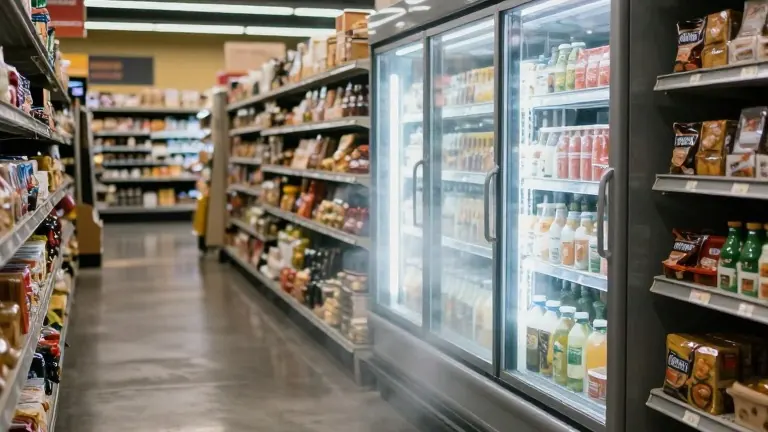
The French government announced on Monday that Iranian military hackers launched a series of destructive cyberattacks against critical infrastructure across the country in October. The campaign targeted refrigeration controllers at approximately 700 retail locations, ranging from supermarkets to butcher shops. Hackers increased the temperature in these units during the night, resulting in the spoilage of millions of dollars worth of food products.
The French National Cybersecurity Agency, ANSSI, reported that the attackers also targeted several small hydroelectric power plants. ANSSI stated that these attacks caused moderate effects on the power grid. The agency identified the intruders by analyzing digital clues, including the specific infrastructure used, a connection to a propaganda outlet, and traces of the Farsi language within the code.
French Foreign Minister Jean-Noël Barrot described the hacking campaign as unprecedented in both its scale and level of aggression. He stated that this marks the first large-scale cyberattack aimed at sabotage on French national territory. Barrot added that the incident constitutes a major attack on the nation's interests and the security of the French people.
The Paris Prosecutor's Office has opened an investigation into the Iranian cyber unit known as Shahid Kaveh. The French government links this unit to Iran's Islamic Revolutionary Guard Corps. The prosecutor's office is requesting the issuance of international arrest warrants for the individuals involved in the operation.
The attacks on French systems are part of a wider trend of targeting refrigeration controllers across Europe, the United States, and Israel in 2026. Similar incidents occurred in grocery stores in Sweden and Ireland last week. In France, employees at a major blood bank last week had to act quickly to save blood samples after their refrigeration system was compromised. In the spring, suspected Iranian hackers claimed responsibility for sabotaging an industrial food processing plant in Israel, infecting computers with malware and using office cameras for a propaganda video.
U.S. military commissaries experienced similar disruptions over the summer when food spoiled after overnight temperature spikes. While U.S. officials suspect Iran may be behind those attacks, the Pentagon has not made an official statement. Mollie Halpern, a spokesperson for the Department of War Office of the Inspector General, wrote in an email that the department does not discuss ongoing investigations to preserve the integrity of the process.
Cybersecurity expert Alex Orleans of Sublime Security noted that the attacks fit the strategy of the Islamic Revolutionary Guard Corps. He said the unit is attempting to reassert Iranian power abroad through physically and psychologically disruptive operations. Ari Ben Am of the Foundation for the Defense of Democracies described Shahid Kaveh as an offensive cyber unit responsible for major Iranian operations. He pointed to previous attacks on French interests, including the magazine Charlie Hebdo and digital kiosks at the Paris Olympics in 2024.
Secretary of State Marco Rubio was asked about the attribution during a G7 meeting in Paris. He noted that the French are quite capable and asked rhetorically what kind of sickos attack refrigerators. He added that France is not directly involved in the war between the U.S. and Iran, which began in February. Iran has not yet responded to the formal accusations made by the French government.
More News · Albuquerque news · Report a business · Got a Story?