French women enter unpaid work hours as gender pay gap persists
France marks the day when women effectively begin working for free, highlighting a persistent wage disparity that experts predict will not close until 2062.
By News Media House Staff ·
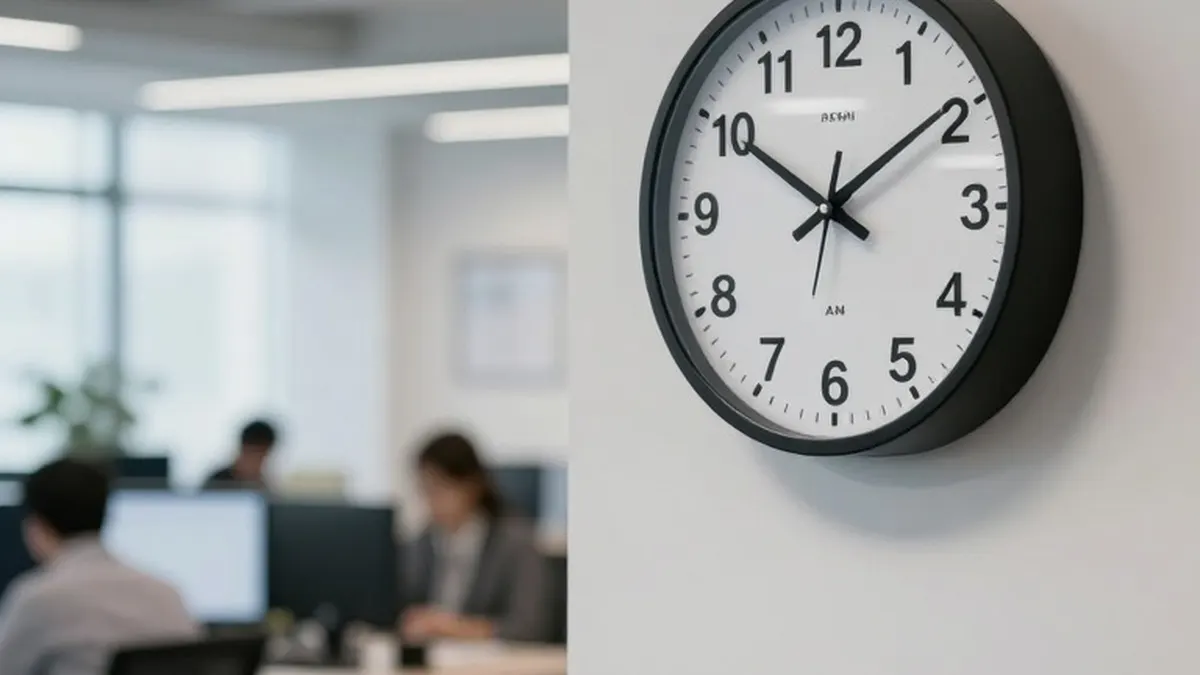
French women entered a period of unpaid work at 10:51 am on Thursday, November 19, 2026. This symbolic start time marks the point in the workday where the cumulative earnings of women in France begin to cover the annual difference in pay compared to their male counterparts. The calculation serves as a stark reminder of the ongoing gender pay gap that continues to affect the French labor market.
The timing of this milestone is based on current wage disparities. At the present rate of progress, experts estimate that full pay equality between men and women in France will not be achieved until the year 2062. This projection underscores the slow pace of change in closing the financial divide despite years of policy discussions and initiatives aimed at addressing the issue.
France is not alone in this struggle. Data from Eurostat indicates that women across Europe still earn less than men for similar work. However, the situation has improved slightly over the past decade. The gender pay gap in the European Union fell from 15.1% in 2016 to 11.1% in 2024. While this reduction is notable, it remains significant enough to warrant continued attention from policymakers and employers.
Several factors contribute to the persistence of the pay gap. One major issue is the impact of childbirth on women's careers. The time taken for maternity leave and the subsequent challenges in returning to full-time work or advancing in senior roles often result in lower lifetime earnings for women. These structural barriers are deeply embedded in workplace cultures and family dynamics.
Another contributing factor is the length of paternity leave. In many cases, men take significantly shorter periods of leave compared to women. This disparity reinforces traditional gender roles and can lead to assumptions about women's commitment to their careers. Such perceptions can influence hiring decisions, promotions, and salary negotiations, further widening the gap between male and female earnings.
Emerging technologies are also being scrutinized for their potential impact on the pay gap. Experts warn that the rise of artificial intelligence could exacerbate existing inequalities. AI is increasingly capable of automating tasks in administrative and legal fields. These are sectors where a disproportionate number of women are employed. If these roles are eliminated or transformed by technology, women may face greater challenges in maintaining their employment and income levels.
The automation of administrative and legal jobs poses a specific risk because these positions often serve as entry points or stable mid-career roles for women. As AI tools become more prevalent, the nature of these jobs may change, potentially leading to a shift in the types of roles available to women. This could force a re-evaluation of career paths and wage structures in these industries.
Employers and governments are under pressure to address these challenges proactively. Strategies may include extending paternity leave to encourage a more balanced sharing of caregiving responsibilities. Additionally, investments in retraining programs could help workers in at-risk sectors adapt to new technological realities. These measures aim to ensure that the benefits of technological advancement are shared more equally across genders.
The symbolic act of marking the start of unpaid work hours serves to raise public awareness of the issue. By highlighting the specific time when women begin working for free, the campaign aims to make the abstract concept of the pay gap more tangible for the general public. This visibility is crucial for driving political will and corporate action to close the remaining gap.
As France and the broader European community continue to track these metrics, the focus remains on implementing effective policies that address both structural and technological challenges. The goal is to reach true pay equality well before the projected date of 2062, ensuring that women's labor is valued equally in the modern economy.
Originally published by News Media House