
GTA VI Redefines Realism by Making the Smartphone a Physical Object
Grand Theft Auto VI integrates the smartphone as a physical object in the game world, requiring players to manage digital distractions while driving and interacting with characters.
By News Media House Staff ·
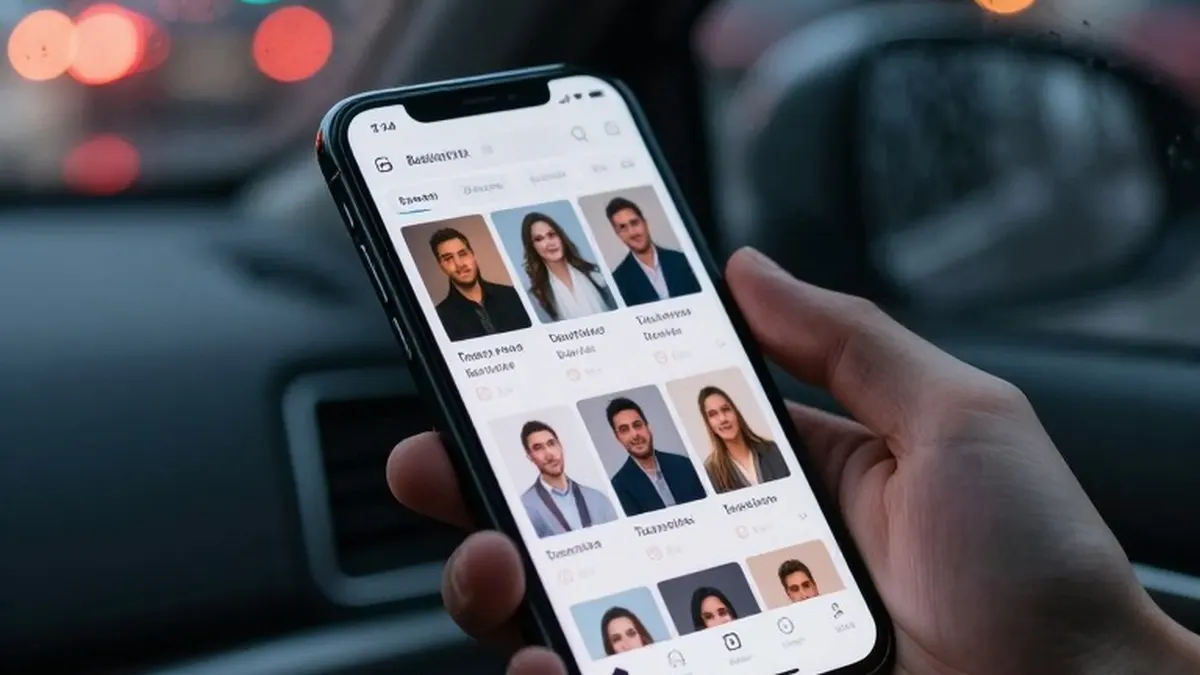
Grand Theft Auto VI represents a significant evolution in how video games simulate modern life, with the smartphone serving as a central and tangible component of the experience. Rather than acting as a simple menu interface, the device exists within the game world as a physical object that players must actively manage. This design choice ensures that even while engaging in high-stakes activities like bank robberies or conflicts with drug lords, players remain connected to the mundane realities of digital life, such as texts from family members and notifications from fitness applications.
While smartphones have frequently appeared in games as substitutes for main menus, the implementation in GTA VI distinguishes itself through its physicality. The phone behaves like any other item in the game, similar to a weapon or a bottle of beer. Using the device does not pause the action. Instead, the perspective shifts to first-person view, allowing players to continue walking or driving while reading messages or browsing a fictional version of Instagram. This approach creates a dynamic interaction that blurs the line between gameplay and real-world behavior.
Rob Nelson, co-studio head at Rockstar North and producer on the title, explained that a static interface would have felt outdated. He noted that the team wanted the phone to be a physical object requiring player attention, even while driving. Nelson described the goal as finding a balance between realism and convenience, arguing that the act of being absorbed in a phone was worth the slight increase in inconvenience. He emphasized that players are committing to using the device as a core part of their gameplay routine.
The phone is essential for progressing through the story, which often unfolds via calls and text messages. The device features a robust array of apps that serve practical functions within the game. Players can manage finances through a banking app, summon rideshare vehicles, track fitness goals, and engage with a social network that includes comments and likes. Additionally, an artificial intelligence tool can be sideloaded to scan nearby vehicles, providing information on their theft difficulty. Personalization options such as changing wallpapers and ringtones are also available for the two main characters, Jason and Lucia, who each have their own functionally identical phone.
The interconnectivity of these applications adds a layer of depth to the game world. For example, after completing a heist, a friend might send a text with a link to a news story about the event. Players can click the link to open the news app and read the article. Functional interactions also include receiving location data via text, which can be added to the map for GPS navigation. These features add texture to the narrative, as seen when Lucia receives a request for a selfie. Sending a photo of her drinking a latte boosts her relationship with Jason, demonstrating how digital interactions impact character dynamics.
The integration of the phone is so thorough that it influences even the rest cycle. When players choose to rest, the characters do not fall asleep immediately. Instead, they sit on the bed and use their phones, giving players the option to scroll through social media or check messages before finally going to sleep. Nelson stated that this feature was included to reflect the behavior of real couples in a shared living space, providing a natural activity for characters to engage in before retiring for the night.
Ultimately, the smartphone in GTA VI serves as a mirror for modern habits, showing that even criminals on the run are prone to digital distraction. Nelson highlighted that phones are a constant part of life, noting that their role has become even more significant than it was during the era of the previous installment in 2013. This design philosophy reinforces the game's commitment to simulating the complexities and distractions of contemporary living.
Originally published by News Media House
More News · National news · Report a business · Got a Story?