Las Vegas breaks ground on new water plant
City officials begin construction on a replacement facility after years of supply disruptions linked to wildfire debris.
By Paula Delgado ·
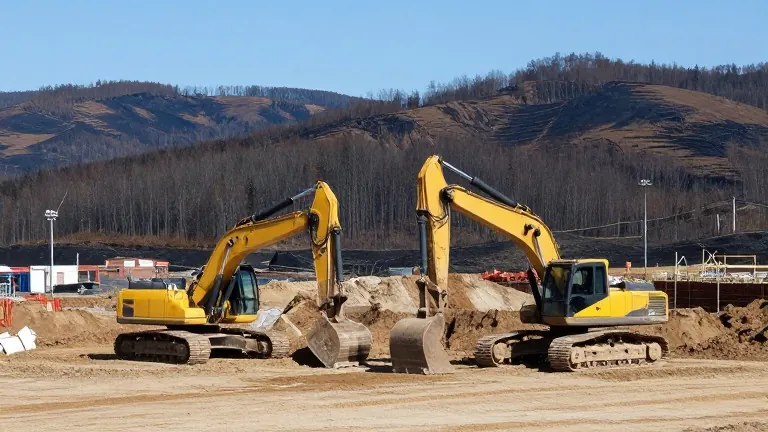
Groundbreaking ceremonies for a new water treatment plant in Las Vegas, New Mexico, began on Wednesday. The project marks the start of a major infrastructure effort to replace the city’s damaged facility. Officials aim to restore a stable water supply for residents who have faced repeated disruptions since 2022.
State and federal governments allocated $148 million to fund the rebuild. The money will also support efforts to drill new wells and reuse water. Mayor David Romero said the city can no longer rely solely on the Gallinas River. He noted that climate change has made past patterns less predictable.
The Calf Canyon/Hermits Peak wildfire in 2022 contaminated the Gallinas River. Rain carried ash and organic matter into the water system. This forced the city to shut down its treatment plant. For four years, residents relied on bottled water and tank shipments from nearby towns.
Local businesses felt the strain of the shortage. Karen Pettine has owned the Hillcrest Restaurant for 50 years. She said the water crisis forced the restaurant to close for weeks at a time. The staff used paper plates and relied on semi-truckloads of bottled water. Pettine described the situation as ongoing because rain continues to bring dirty water down the stream.
A massive flood in 2024 worsened the crisis. Burn debris washed into the town’s two reservoirs. This left Las Vegas with only a few days of safe water. The town hired trucks to bring 2.2 million gallons of water from Santa Fe and Santa Rosa. Residents and businesses purchased their own bottled water during this period.
The supply issues continued into February 2025. Burn scar debris and equipment failure caused a pressure drop. This triggered a monthlong boil-water advisory. Romero called the February event the scariest incident the city has faced. He said the situation highlights the need for alternative water sources.
Water experts warn that wildfire impacts on drinking water can last for years. A University of Colorado Boulder study found that contamination in burned basins can persist for up to eight years. Amanda Hohner, an assistant professor at Montana State University, said wildfires make watersheds vulnerable. Forested watersheds provide water to nearly two-thirds of U.S. municipalities.
Treatment plants often struggle with the specific changes caused by fire. Carli Brucker, lead author of the Colorado study, noted that fires cause spikes in heavy metals and dissolved organic matter. Standard plants are not built to handle these levels. This can force facilities to shut off incoming water or use backup sources.
Chlorine, a common disinfectant, reacts with organic matter left by fires. Garrett McKay, an associate professor at Texas A&M, said this reaction forms disinfection byproducts. These byproducts are regulated by the U.S. Environmental Protection Agency because they can cause illnesses. Facilities must remove the organic matter before disinfecting, which delays water delivery.
Glenwood Springs, Colorado, faced similar challenges after the 2020 No Name and Grizzly creeks fire. The city received an $8 million emergency loan for treatment improvements. Fort Collins pulled water from Horsetooth Reservoir after the Cameron Peak fire. Kyle Shimabuku, an engineer at Gonzaga University, said sediments from burned vegetation can cause algal blooms in reservoirs. These blooms can make people sick and kill fish.
More News · Albuquerque news · Report a business · Got a Story?