Nepal flood survivors begin reconstruction as winter approaches
Aid groups and local workers are addressing health and infrastructure gaps in communities affected by glacial melt floods.
By Connor Murphy ·
Januka Dhital was preparing snacks for a catering event in Uttargaya, Nepal, when a man on a scooter warned her of incoming floodwaters. She stepped outside, saw a wall of dark dust and debris descending from the hillside, and grabbed her young son to escape on the back of the scooter. Her husband and daughter were at work and school when the water arrived. After hours of searching, the family reunited. Her husband was injured but alive. Their home was destroyed.
Dhital is one of approximately 100,000 people whose lives were disrupted by floods caused by glacial melt. At least 1,500 people have died, and more than 5,000 remain missing. Thousands continue to live in temporary shelters or tents. The United Nations reports that the floods damaged or destroyed seven health facilities, 23 schools, 10,000 toilets, and 64 water systems. Early data indicates a rise in malnutrition as winter nears.
Shyam Pathak, a chief of health at UNICEF, stated that the magnitude of the devastation is unimaginable. He noted that international attention and aid have decreased as the response shifts to helping communities rebuild. Pathak said the situation is unique because many of the workers providing aid are also rebuilding their own lives. Dhital moved into a holding center for about a month after the flood before staying with a relative. She described the period as mentally difficult and said she needed work more than money.
Dhital found employment through Helen Keller Intl, a nonprofit supporting the response. After a training program that included mental health support, she began working with postpartum mothers, pregnant women, and children under five. She also screens survivors for malnutrition. Preliminary data from Naukunda Gaunpalika shows that moderate acute malnutrition increased from 0.8% in June to 8.7% in October. Pooja Pandey Rana, who directs Helen Keller's work in Nepal, called the increase a big jump and likely linked it to the flood fallout.
Many families lost gardens and farms that provided nutritious food. Dhital said survivors now rely on dried and packaged foods such as instant noodles and biscuits. Poor sanitation and a lack of clean drinking water remain issues. Many residents lost their livelihoods, leaving them without money for food. Workers distribute supplies and cash to families in need, though access can be difficult.
More than 100 bridges were destroyed by the floods, according to the U.N. Mountain roads that served as lifelines for communities on higher slopes have been severed. Ayush Joshi, who works for Save the Children in Nepal, said some areas in the upper north of the impacted zone are cut off. He noted that delivering food and life-saving support to these locations remains a challenge.
Pushmaya Tamang is a community aid worker who often crosses makeshift bridges to reach affected areas. She said the bridges shake, making them dangerous for elderly people and those crossing in opposite directions. Tamang is from a village in Nuwakot that was largely destroyed. She said her heart is heavy with grief over the loss of her younger sister. She described the village, once full of light and life, as now gloomy and dark. She said the aid workers do not always have the words to comfort the families they visit.
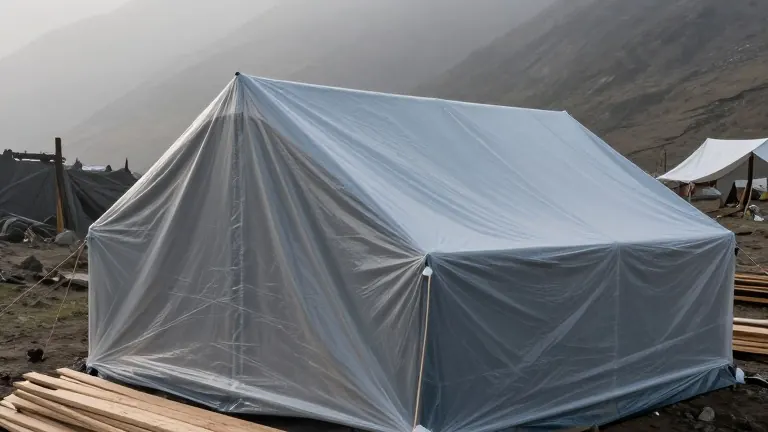
Pathak said many survivors need mental health support. UNICEF is teaming with other aid organizations to mobilize health workers to provide counseling. He noted that health workers are returning to their jobs despite being victims themselves, which has helped the response. Winter poses additional challenges for those in temporary shelters. Joshi said cold temperatures, overcrowding, poor ventilation, damp bedding, and inadequate clothing increase health risks. Responders are winterizing tents and moving families into safer shelters while providing food and medical care.
Rebuilding plans are still being developed. Pandey Rana said there are questions about where to rebuild, how many homes are needed, and how to fix water systems and schools. Preliminary estimates put the cost of rebuilding at roughly $5 billion. The U.N. Climate Fund approved $20 million for recovery. Domestic and international donors have contributed over $100 million in additional funds, but the total is far short of the estimated need. For now, aid organizations are focused on immediate needs. Tamang said the daily work helps her cope with loss. She said life goes on and communities must accept what nature has brought upon them.
More News · Albuquerque news · Report a business · Got a Story?