Rope bridges help sloths cross gaps in Costa Rica's coastal forests
Conservationists in Puerto Viejo de Talamanca are installing simple cables between trees to keep slow-moving mammals from dropping to dangerous roads.
By Scott Marshall ·
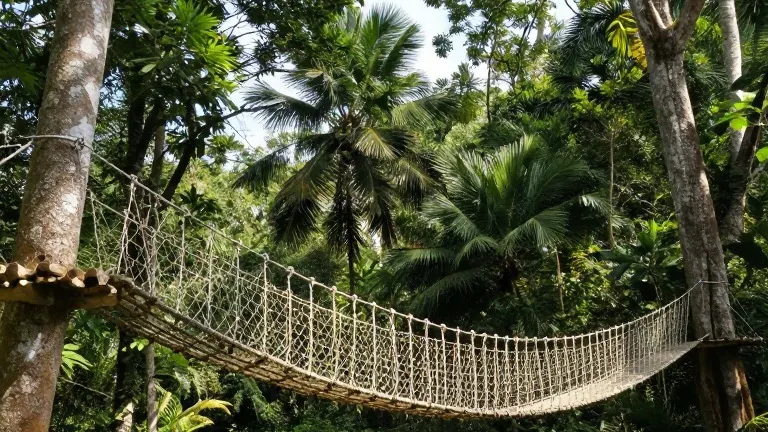
Conservationists are installing rope bridges between trees along Costa Rica's Caribbean coast to help sloths move safely through fragmented forests.
The Sloth Conservation Foundation has placed approximately 410 of these single-rope crossings in areas divided by roads and buildings. Rebecca Cliffe, a British zoologist who founded the group, said the simple structures serve as a lifeline for animals that cannot jump between trees.
Sloths rely on familiar routes to find food and shelter. A gap of just two or three meters between tree canopies can force them to descend to the ground. On the floor, they face risks from dogs, vehicles, and power lines.
Cliffe began testing these bridges after working at the Sloth Sanctuary for nearly two decades. She frequently treated sloths for injuries caused by dog attacks and electrical shocks. Cameras monitoring the bridges have recorded more than 22,000 wildlife crossings since installation began.
Costa Rica's forest cover increased from an estimated 21% in 1987 to 59% in 2023, according to a report by the Organization for Economic Cooperation and Development. Despite this recovery, habitat fragmentation persists due to development and tourism infrastructure. Carlos Morera Beita, a geographer at the National University of Costa Rica, noted that much of the regrown forest sits on former pastureland.
At one beachfront hotel in Puerto Viejo, workers installed bridges among trees near tourist areas. The team also plants trees to restore natural connections between properties. The ropes typically last four or five years before tropical conditions require replacement.
The Sloth Sanctuary in Penshurst houses animals that cannot return to the wild due to severe injuries or disabilities. Founder Judy Avey-Arroyo said replacing a mother is nearly impossible because young sloths spend about a year learning which leaves are safe to eat. They also learn how to navigate the forest and find thermal refuges during extreme weather.
Scientists lack reliable estimates of the total sloth population in the country. Cliffe's organization is using thermal imaging drones and detection dogs to improve data. Two regional rescue centers receive about three sloths per day. Cliffe said protecting these animals requires a combination of small actions, from planting shade trees to installing temporary rope crossings.
More News · Albuquerque news · Report a business · Got a Story?