Taos Ranchers Cut Herds as Snowpack Hits Record Lows
Rising fuel costs and dry conditions forced local producers to sell breeding animals and move livestock hundreds of miles to find forage.
By Paula Delgado ·
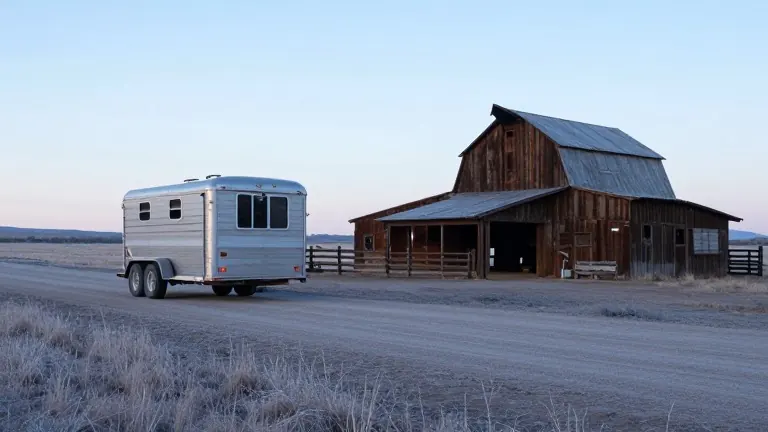
Ron Mascareñas sold 16 of his 38 cows at the Five States Livestock Auction in Clayton on a recent Friday. The sixth-generation rancher made the cut after running out of winter hay at his family ranch in Llano. He loaded the trailer early in the morning for the four-hour drive to market.
Mascareñas, who also serves as a Taos County commissioner, had 1,000 bales of hay in storage by late summer. He estimated he needed one bale per day for every two cows. The math did not work for the four-month winter. He decided to keep only as many head as he could feed.
The local shortage mirrors a national trend. The U.S. Department of Agriculture reported in July that the beef cattle herd is at its lowest level since 1973. In March, the National Oceanic and Atmospheric Administration recorded snowpack in Northern New Mexico at an all-time low. Eight Western states, including New Mexico, posted record-low water equivalents on April 1.
Will Jaremko-Wright raised sheep on land near Talpa in partnership with Carlos Arguello of El Tros Farm. He built a flock of 28 head over three years. By late November, he planned to process his last two animals. Hay prices rose 40 percent during the year, making it hard to sell breeding stock in a dry season.
Jaremko-Wright sold male sheep for meat during the summer. He then attempted to sell ewes as breeding stock. He processed or sold animals he would have kept to rebuild the flock. Selling them lowered his immediate costs but reduced his ability to expand the herd in coming years.
Pat Pacheco manages a herd of about 300 head around Taos. He described the year as the worst in 60 years. He moved his cattle to grazing land in Colorado, Texas, and Oklahoma. One pasture was in Elk City, Oklahoma, more than 400 miles from Taos. He grazed his animals on fields in El Prado that he usually reserved for baling hay.
Fuel costs added to the pressure. The price to haul a semitruck of cattle rose from $5.50 per mile to between $6.50 and $7.00 per mile. Mascareñas noted that a two-pack of baling twine increased from $38 to $52. These small increases compound over a season of long drives and heavy equipment use.
Mascareñas said some of his cattle fetched top dollar at auction. He noted that the financial relief came with an emotional cost. He said he wished he could have kept the high-quality animals. Pacheco described the work as a lifestyle and a love, despite the current financial squeeze.
More Business · Albuquerque news · Watch Your Wallet · Report a business · Got a Story?