Dutch family has not left church in over two years to avoid deportation
The Babayants family has sheltered in a Protestant church in Kampen since late 2024, relying on a continuous religious service to prevent authorities from forcing their return to Uzbekistan.
By News Media House Staff ·
Aram Babayants, 22, described the situation as trading freedom for safety. He and his parents, along with three younger sisters, have resided inside a church in Kampen, Netherlands, for more than 700 days. The family of six entered the building to shield themselves from deportation to Uzbekistan, a country where the father, Alexandr, fears persecution.
The Babayants have been in the Netherlands for 13 years. Two of the children, Amelia, 12, and Aleksa, five, were born in the country. Ariana, 16, stated that she has no recollection of her time in Uzbekistan. She told Al Jazeera that the Netherlands is the only place she considers home. Despite the support received, the family has struggled with the physical and mental toll of their isolation.
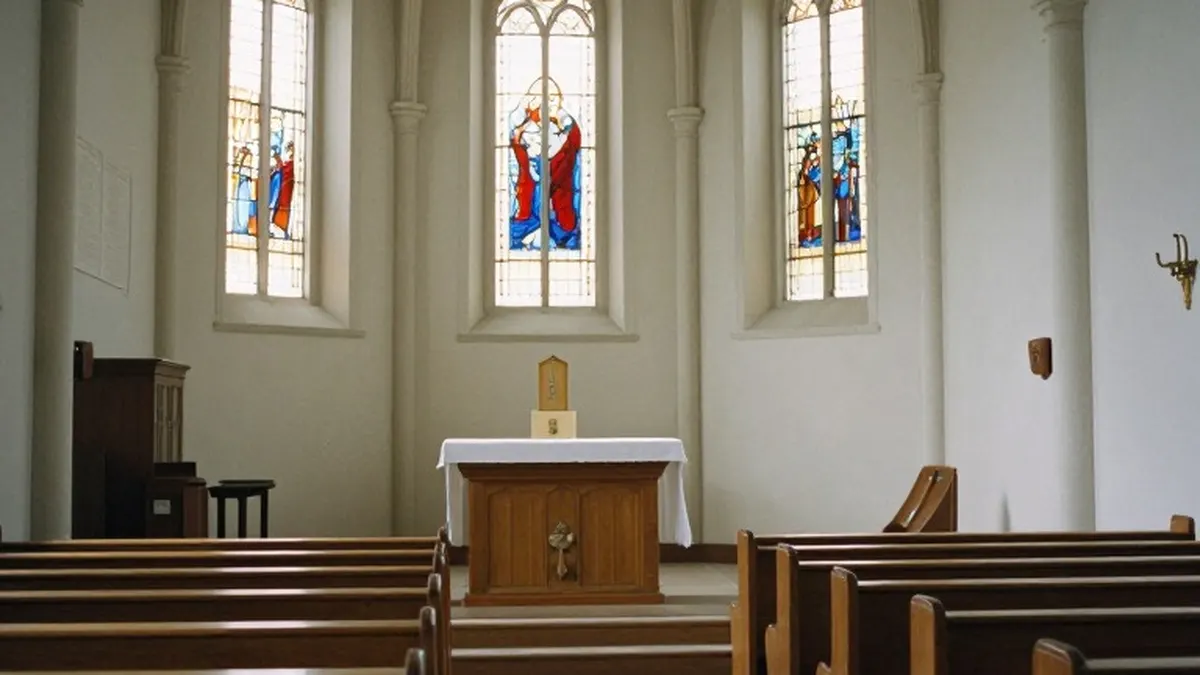
Since November 21, 2024, the Open Hof Protestant church has maintained a nonstop service, day and night. This strategy, known as church asylum, utilizes a Dutch law that prohibits authorities from interrupting a religious service. Thousands of volunteers have organized to keep the service running continuously. Each two-hour block requires at least three participants, resulting in approximately 50 volunteers contributing daily.
The family’s asylum applications have been rejected multiple times since 2014. Herman Stompers, a coordinator for the church asylum, argued that the case is fundamentally about children’s rights rather than the procedural aspects of asylum. He noted that children who have been living in the country for years and speak the language are at risk of removal, even though children's rights are not fully integrated into Dutch immigration law. Stompers described this as absurd, suggesting that the current framework implies such rights only apply to white, Dutch children.
Pastor Kasper Jager, who leads the congregation, said he agreed to host the family after receiving overwhelming support from other parishes and the Dutch church council. He emphasized that the family’s Christian faith was a coincidence and that the church would have done the same for a Muslim family. Jager stated that the church is acting out of justice and humanity, noting that Jesus was an activist who stood up for the vulnerable.
The situation highlights a growing tension in the Netherlands. While the family enjoys significant local support, the country has seen a rise in anti-migration sentiment. Recent months have included far-right protests, with demonstrators chanting slogans and attacking refugee accommodation centers. In February, a minority government led by Prime Minister Rob Jetten took office, replacing the most right-wing administration in the country’s history. However, Pastor Jager observed that little political progress has been made regarding the rights of rooted children, those who were born in the country or spent most of their lives there.
According to the latest government figures, approximately 420 children in the Netherlands have been waiting for asylum approval for more than five years. The church and its volunteers are advocating for the rights of all children to be enshrined in Dutch law. In July, the highest administrative court ruled that three families should receive residence permits, prioritizing children's rights over migration limits. Pastor Jager is cautiously optimistic that this ruling will set a precedent.
The family has adapted to their confined environment in various ways. Volunteer teachers visit on weekdays to provide high school classes. To stay connected with peers, Ariana and her sister Amelia started a TikTok account where they post dance videos. Ariana expressed her desire to return to a normal classroom setting and to run outdoors in nature. She described their situation as being locked up despite having done nothing wrong.
Pastor Jager noted that a previous church asylum case in The Hague lasted only 96 days. He did not expect the Babayants’ stay to extend this long. Stompers acknowledged that the situation cannot continue indefinitely. He stated that their ability to persist depends on the church community, the volunteers, and the family’s own resilience. As long as the family can continue, the church intends to support them.
Aram and Ariana hope to close this chapter and begin their lives anew. Aram expressed a desire to participate in society. When asked about his future, he said his dream is to receive a letter from the tax office. He explained that such a document would signify that he is officially allowed to stay in the Netherlands.
Originally published by News Media House