Washington apple farmers tear out orchards as costs rise and markets weaken
High input prices and tariff pressures are forcing growers in the Pacific Northwest to leave acres fallow or abandon fruit production entirely.
By Paula Delgado ·
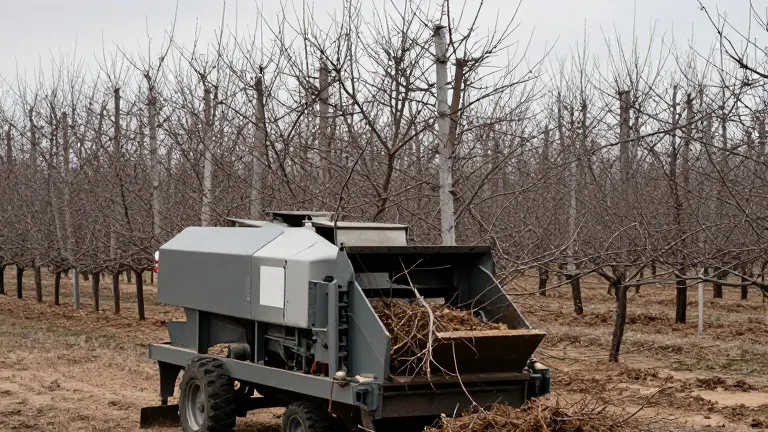
Sean Gilbert stepped out of his white GMC pickup near Wapato, Wash., where one of his 50-acre Gala and Red Delicious orchards was being reduced to mulch chips. The ground, he said, will lie fallow. He calculated that leaving the land unplanted and weedy costs less than planting a new orchard or crop.
Gilbert, a fifth-generation farmer, scooped up a handful of the applewood mulch. He described the decision as a relief from hemorrhaging dollars on fruit the market no longer wants. For him, continuing to plant had stopped making sense financially.
Washington State produces nearly 70 percent of the nation's fresh apples, an industry valued at $9 billion according to Jon DeVaney, president of the Washington State Tree Fruit Association. DeVaney stated that farmers are being pressed by rising labor, fuel, fertilizer, and equipment costs. These pressures are compounded by weak exports driven by international tariffs and a strong dollar that reduces foreign purchasing power.
DeVaney estimated that thousands of acres of apple orchards across the Northwest are being torn out or left without active care. Many farms have gone deep into debt after several years of difficult conditions, leading even large, well-established operations to file for bankruptcy.
Kate Tynan, senior vice president of the Northwest Horticultural Council, noted that unpicked apples have been left to rot in branches and on the ground during late summer and fall. She said an estimated thousands of acres have been only partially picked or not picked at all over the past few years.
Recent federal regulatory changes aim to lower wages for some immigrant workers and remove housing costs from their paychecks. Tynan said farm owners hope these changes will help them break even, but the farm workers union has pushed back. An upcoming federal judicial decision could require operators to pay backpay for the 2026 season.
The Trump administration announced $12 billion in payments to farmers at the end of 2025, primarily targeting growers of crops like soybeans and corn. Tynan observed that much of this relief has not reached farmers who grow specialty crops such as fruit and vegetables.
Tynan said the Pacific Northwest has lost a large number of tree fruit farms in recent years. She pointed to a USDA census that recorded a 15 percent drop in Washington tree fruit farms between 2017 and 2022. In neighboring Oregon, more than a quarter of apple, pear, and cherry farms were lost during that same period.
Apple acreage in Washington increased slightly between 2017 and 2022, according to the census data. However, DeVaney said that trend has reversed since private equity firms began investing in the region. He emphasized that the industry is losing growers, even as acreage numbers fluctuate.
Sean Gilbert, who co-owns Gilbert Orchards, a family-run company founded in 1898 that manages 4,000 acres in Washington state, identified 2023, 2024, and 2025 as the really hard years. Visual journalists from Northwest Public Broadcasting chronicled a full year of the business of growing apples to document these shifts.
More Business · Albuquerque news · Watch Your Wallet · Report a business · Got a Story?