73-25: Senate votes to advance data center permitting bill
The measure aims to cut years off the timeline for large energy projects, a move that drew praise from industry and criticism from environmental groups.
By Scott Marshall ·
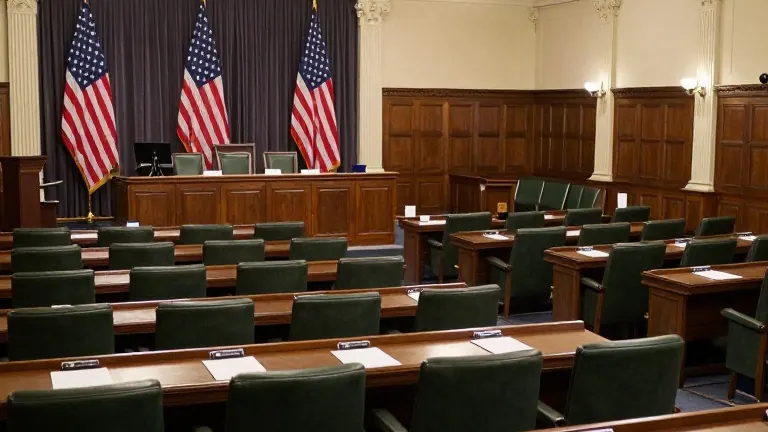
The U.S. Senate voted 73 to 25 on Monday to advance a bipartisan energy bill that would shorten the time it takes to approve large infrastructure projects, including data centers and power plants. The vote marks the first major legislative action by the Senate following last week's midterm elections, which resulted in a substantial loss for President Donald Trump and congressional Republicans.
The legislation is designed to address growing demand for electricity by streamlining the federal permitting process. Supporters argue that current reviews often delay projects for years, keeping energy costs high for consumers. The bill would apply these faster timelines to both clean energy and fossil fuel developments. It also includes provisions to ensure that data centers pay for the energy they consume, a point that became a central issue during the recent election campaign.
President Trump pushed for the bill's passage on Sunday via social media. He called it a "BIG WIN for U.S. ENERGY INDEPENDENCE and DOMINANCE," claiming it would allow the country to build pipelines and power plants faster, thereby lowering energy costs for American families. Major industry groups, including the American Clean Power Association and the American Petroleum Institute, have expressed support for the measure.
The bill was negotiated by four senators who lead the chamber's energy and environment committees. The group includes Republican Sens. Shelley Moore Capito of West Virginia and Mike Lee of Utah, along with Democratic Sens. Martin Heinrich of New Mexico and Sheldon Whitehouse of Rhode Island. Heinrich, a Bernalillo County representative, stated that Americans cannot afford to wait for lower electricity prices and that the bill needs to pass now.
Environmental organizations have voiced strong opposition to the legislation. Groups such as the Sierra Club and the National Wildlife Federation argue that the bill weakens environmental safeguards and makes it harder for communities to challenge project approvals. Bradley Campbell, president of the Conservation Law Foundation, called proceeding with the bill in the final days of the current Congress a "terrible mistake," suggesting it strips federal agencies and states of power to prevent harm to the environment.
Sara Amundson of the Humane World Action Fund raised concerns about the bill's impact on the Endangered Species Act. She said the proposed changes to the "best available science" standard could allow agencies to dismiss credible research on at-risk species. The bill also modifies the National Environmental Policy Act, which currently requires agencies to consider a project's impacts and allow public input before approval.
The midterm election results may complicate the bill's final path to enactment. Some Democrats believe the party's new strength in Congress should be used to pass legislation that prioritizes clean energy while limiting fossil fuel expansion. House Minority Leader Hakeem Jeffries, who is expected to become speaker in January, criticized the bill last week, stating that his office believes it "falls short" in several areas.
The four lead sponsors released a detailed set of amendments on Saturday to bolster support for the bill. These changes include a provision that ends the administration's practice of paying energy companies to walk away from offshore wind leases. Whitehouse noted that this stops the use of public money to force developers to switch to fossil fuels. Heinrich said the amended version also requires federal agencies to consult with tribal leaders on projects affecting cultural sites.
President Trump maintained his opposition to wind energy on Monday. When told that wind is part of the bill, he replied that he will not approve wind turbines because they are a "major loser." Democratic Sen. Chris Van Hollen of Maryland voted against moving the legislation forward, citing the administration's efforts to block a pending offshore wind project in his state.
The bill now moves toward further deliberation in the lame-duck session. If passed, the legislation is expected to alter how federal agencies review large energy projects and how data center costs are allocated. The Senate's vote signals a push to finalize the energy policy before the new Congress convenes in January.
More Politics · Albuquerque news · Report a business · Got a Story?