Bernalillo voters pick new governor as 36 states decide leadership
With an open gubernatorial seat and a contested Senate race, New Mexico is part of a national wave where 19 governors are not seeking reelection.
By Scott Marshall ·
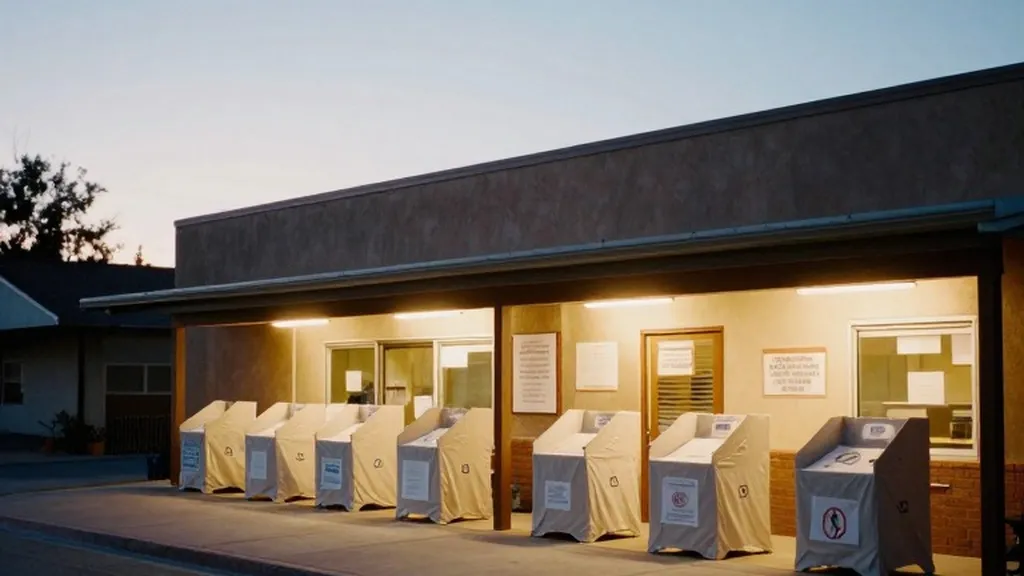
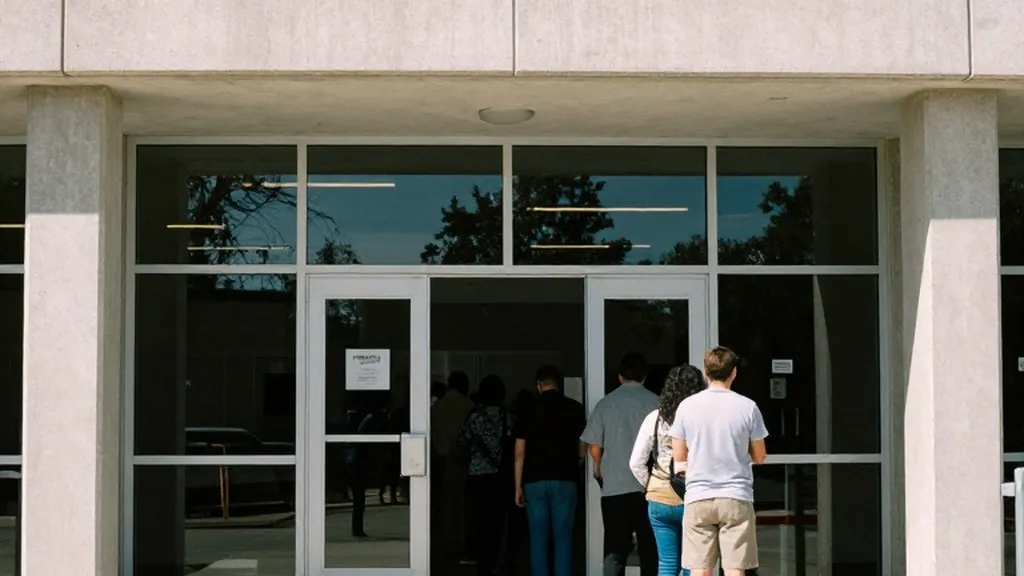
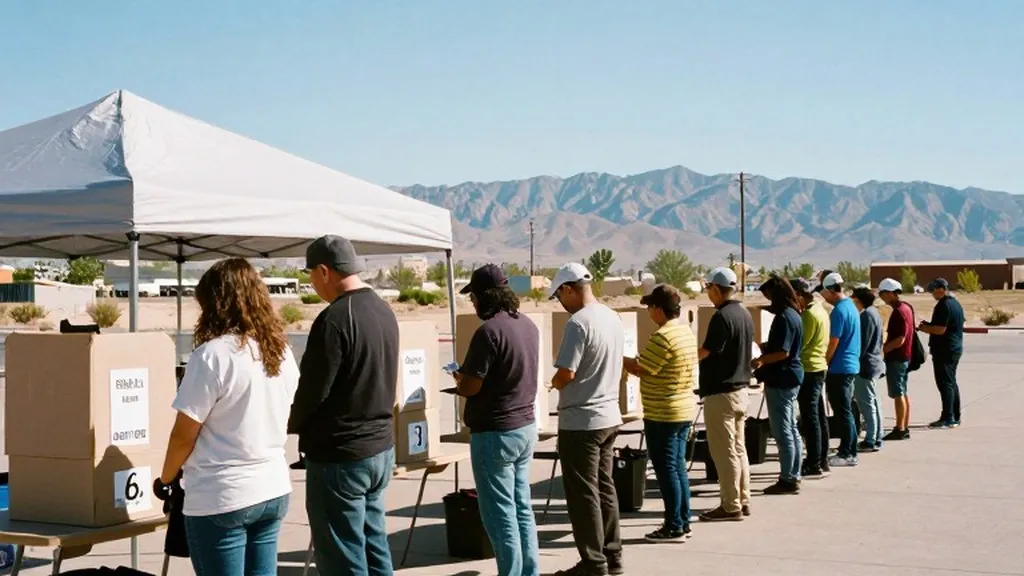
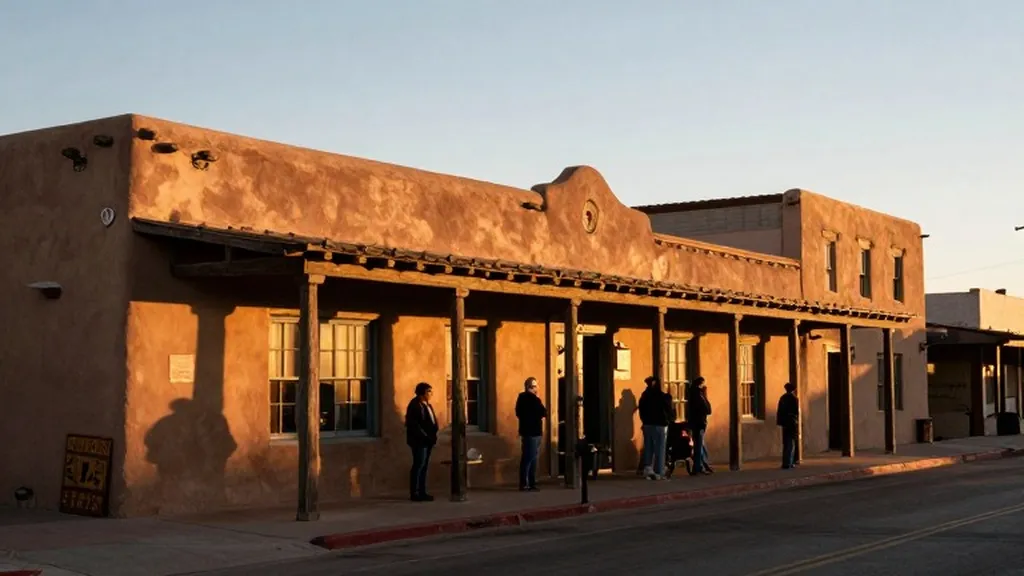
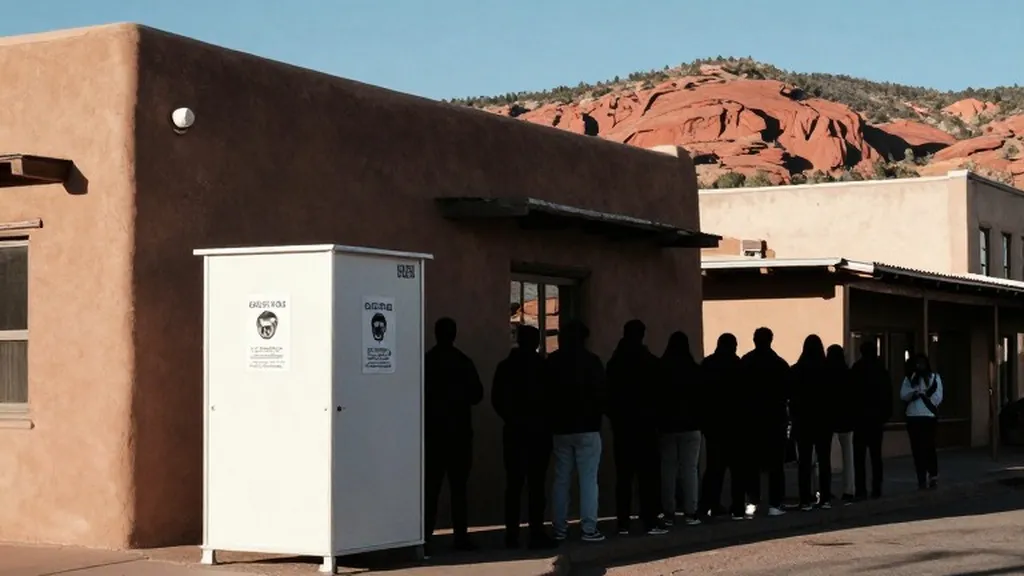
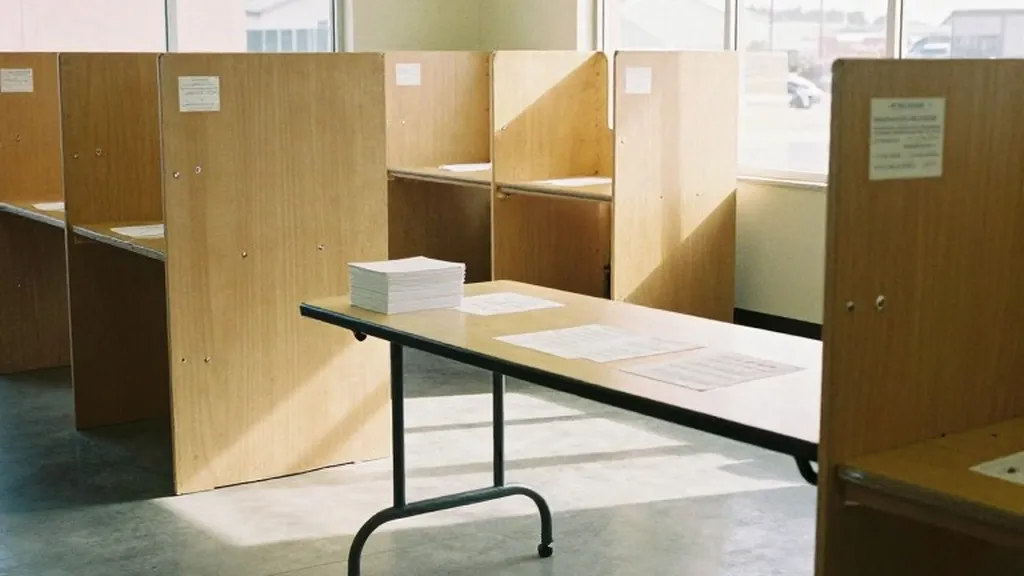
Voters in Bernalillo County and across New Mexico are casting ballots today for a new governor in an open seat, alongside a contested race for the state's U.S. Senate position. Polls in the state opened at 7 a.m. And will close at 7 p.m. Residents of Albuquerque and Rio Rancho are heading to the polls to decide who will lead the state during the midterm elections, a critical checkpoint halfway through President Donald Trump's second term. The day is marked by a sense of urgency as voters weigh the future of state leadership against national political trends.
The gubernatorial race in New Mexico is one of 19 open seats nationwide where the incumbent is not on the ballot. 15 governors are term-limited, while others chose not to run or lost in their primaries. In New Mexico specifically, there is no incumbent running for governor, making this a fresh contest between the Democratic and Republican parties. This lack of an incumbent is part of a broader pattern that could shift the balance of power in statehouses across the country.
Nationally, 36 governorships are up for election today. Republicans currently hold 26 governor's offices, while Democrats hold 24. Of the specific offices on the ballot, the parties are split evenly, with each holding 18. Democrats would need a net gain of two governorships to claim a nationwide majority, a position Republicans have held since 2010. This potential shift is a key focus for political analysts watching the midterms.
Nine states are considered battlegrounds for governor, including Alaska, Arizona, Georgia, Iowa, Kansas, Michigan, Nevada, Ohio, and Wisconsin. In these states, the outcome could tip the national balance. For example, in Georgia, former Atlanta Mayor Keisha Lance Bottoms is running against Republican health care executive Rick Jackson. In Ohio, Vivek Ramaswamy faces Democrat Amy Acton in a race that has drawn attention due to campaign advertising disputes.
The national picture is complicated by the fact that 19 of the 36 governor races are open seats. This includes the retirements of prominent figures such as Iowa's Kim Reynolds, Minnesota's Tim Walz, and Wisconsin's Tony Evers. Rhode Island's Daniel McKee also does not have an open seat due to a primary loss. These changes create opportunities for new leadership to emerge in states that have been led by the same party for years.
In New Mexico, voters are also choosing a U.S. Senator. Incumbent Ben Ray Luján, a Democrat, is running for re-election. The Associated Press describes the overall election as a referendum on the president's second term, with many voters expressing frustration over high prices and economic conditions. Luján's race is part of a larger Senate contest where 35 seats are up for grabs, including special elections for the remainder of terms in Florida and Ohio.
The mood among voters is mixed. A recent AP-NORC poll found that only 35 percent of U.S. Adults approve of President Trump's job performance, while about seven in 10 believe the country is heading in the wrong direction. However, more than 57 million people had already voted before today, surpassing early vote totals from four years ago in many states. This high turnout suggests that voters are engaged and determined to influence the outcome of the midterms.
Political parties are bracing for a competitive day. Republicans are focused on holding the Senate, while Democrats are aiming to gain control of the House. The Associated Press notes that one or two seats could tip the balance in either chamber. In the House, all 435 seats are up, and Democrats need a net gain of three districts to secure a majority. Republicans can afford to lose no more than two seats to keep control.
For voters in Bernalillo County, the day also includes votes for state and local offices, as well as several ballot measures. These include questions on funding for senior citizen facilities, public education, and higher education. Additionally, voters will decide on constitutional amendments regarding state executive powers and the salaries of state legislators. These local decisions reflect the broader themes of governance and resource allocation that are central to the midterms.
As polls close at 7 p.m., the wait for results begins. The outcome of these races will shape the political landscape for the next two years, influencing everything from state budgets to national policy. For now, the focus remains on the voters who are making their voices heard in this pivotal election cycle.