Wet winter forecast raises spring flood watch
NOAA predicts persistent El Niño conditions that may increase runoff risk after the severe drought ended in autumn.
By Paula Delgado ·
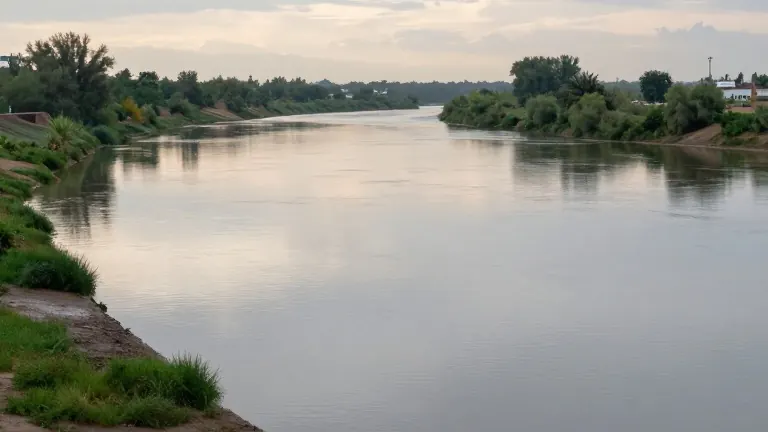
Residents of Bernalillo County face a higher likelihood of elevated water levels in the spring. NOAA’s latest outlook indicates a wetter-than-average winter across the Southwest. A strong to very strong El Niño pattern is expected to remain active into early 2027. This weather system typically directs storm tracks toward the southern United States.
The shift in conditions follows a period of intense dryness. Weeks of flooding recently reversed severe drought conditions in parts of the state. This rainfall replenished soil moisture that had been depleted during the dry spell. If this moisture persists through the winter months, the ground will be less able to absorb new precipitation.
The primary concern for local officials involves snowmelt. Increased moisture in the soil can lead to higher runoff when spring snow begins to melt. This setup does not guarantee a large mountain snowpack, but it increases the volume of water that may reach rivers and streams quickly. The potential for flood danger depends on the speed of the thaw.
Historical data provides context for current concerns. Major flooding on the Rio Grande occurred during the El Niño event of 1941. In 1973, heavy snowmelt following an El Niño winter placed significant stress on the levees protecting Albuquerque. While today’s flood-control infrastructure differs from mid-century systems, the underlying risk remains.
The outcome will hinge on winter weather patterns. A gradual thaw could provide a steady supply of water over several months. In contrast, rapid melting or heavy rain falling on top of existing snowpack could increase flood danger. The size of the eventual snowpack and the rate at which it melts will determine the extent of runoff.
More News · Albuquerque news · Report a business · Got a Story?