
Breaking: Federal Grid Order Spared Local Homes from Blackouts During October Crisis
PJM’s emergency measures relied on volunteer demand reduction and backup power for large users while households in the region continued normal routines without interruption.
By Connor Murphy ·
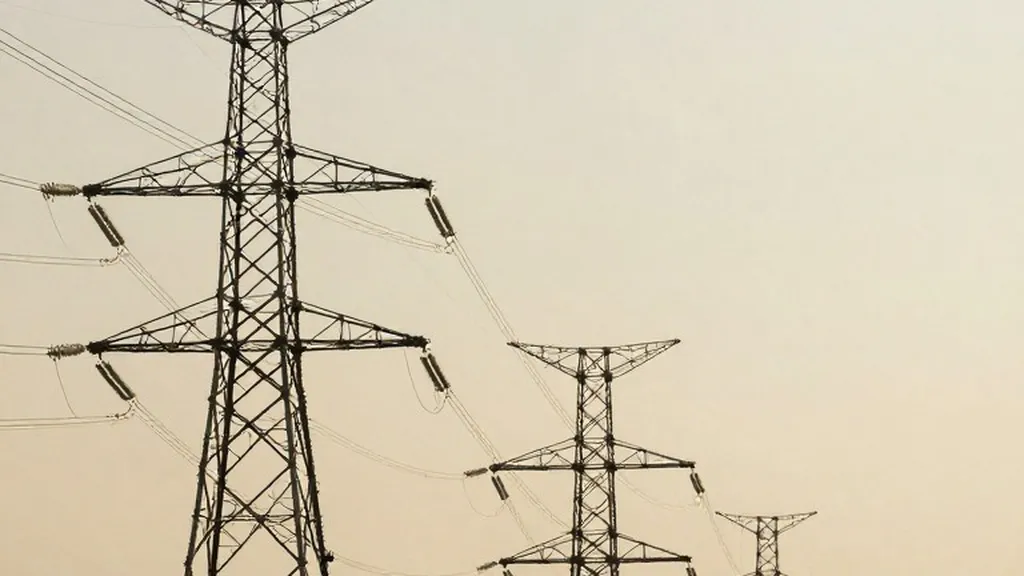
The federal power grid emergency that spanned four days in October did not result in blackouts for households or mandatory conservation efforts for residents. Energy Secretary Chris Wright issued the order on Sunday, October 12, under section 202(c) of the Federal Power Act, granting PJM Interconnection temporary emergency authority to maintain stability across thirteen states and the District of Columbia from October 13 through October 16. The directive was designed to prevent interruptions rather than announce scheduled outages, allowing the regional operator to keep the lights on during a period of unusual strain. For families and businesses within the PJM footprint, daily electricity use remained standard, and no specific actions were required at the individual level to help stabilize the system.
Bernalillo County is not among the thirteen states or the District of Columbia covered by this specific federal order. The region includes all or parts of Delaware, Illinois, Indiana, Kentucky, Maryland, Michigan, New Jersey, North Carolina, Ohio, Pennsylvania, Tennessee, Virginia, West Virginia, and the District of Columbia. Together, these areas serve approximately 67 million people. Although local readers are not directly subject to the PJM emergency protocols, understanding the mechanics of this event provides insight into how the broader North American grid manages extreme weather and rising energy demands during the transition to winter.
The strain on the grid resulted from a collision of unusual weather and routine maintenance schedules. Unusually warm October weather occurred during the fall shoulder season, a period when generator and transmission owners typically take equipment offline for maintenance and upgrades ahead of winter. Most scheduled outages are prohibited during the summer peak, which ended in mid-September. PJM issued a Capacity Advisory on Friday, October 9, for the following Monday and Tuesday, marking the first use of this procedure. The load forecast indicated peak demand of about 102,000 megawatts on Monday and about 104,000 megawatts on Tuesday, while previously scheduled generation outages totaled about 70,000 megawatts plus planned transmission outages.
To manage these conditions, PJM issued a Maximum Generation Alert and a Load Management Alert on Monday, October 12, for October 13. These alerts extended through October 14, and a Maintenance Outage Recall was issued for October 14 after demand forecasts reached approximately 111,500 megawatts or higher. A Maximum Generation Alert signals to transmission and generation owners that conditions will be tight, prompting them to defer or cancel equipment maintenance and testing. It also informs neighboring grid operators that exports from PJM may be curtailed. Despite these technical alerts, PJM stated that no action was required from customers, and household usage patterns stayed normal throughout the period.
The emergency order allowed PJM to call on generators to run in excess of their operating permits and to direct data centers and other large electricity users onto their backup generation if necessary. The Department of Energy noted that PJM sought to deploy auxiliary, standby, directly connected, battery storage, or other generation resources at data centers, including hyperscaler facilities, and at other large industrial and commercial customer sites. This approach targeted the largest consumers of electricity to ensure stability without burdening residential users with sudden changes in service or pricing.
Demand Response programs played a crucial role in this strategy. These programs pay customers who sign up in advance to cut electricity use when the grid is stressed. On October 13, PJM called on these resources to help balance the system. The reliance on voluntary reductions from large commercial and industrial participants demonstrated a shift in grid management, where flexible demand from major users helps absorb peaks rather than forcing immediate curtailments on the general public. This mechanism allowed the grid to remain stable even as transmission limits bottlenecked electricity flow in certain areas, particularly in the Washington D.C., Maryland, and Virginia zones.
The presence of data centers has altered the traditional seasonal patterns of grid stress. PJM indicates that the shoulder-season reprieve is no longer as reliable as it once was because new demand from data centers and other energy-intensive customers does not fall with the weather. This consumption is a 12-month, 24/7 phenomenon that is outpacing new transmission and electricity supply. As a result, unseasonably hot or cold weather now arrives outside of traditional peak seasons, creating capacity shortfalls that were less common in previous decades.
Looking ahead, PJM’s Winter Outlook released on November 5, 2026, projects sufficient resources to reliably meet demand this winter under expected conditions. However, reserve margins continue to tighten as demand outpaces new supply. PJM expects 182,426 megawatts of operational capacity to serve a forecast winter peak of approximately 147,500 megawatts, plus about 3,200 megawatts of average exports to neighboring systems. If reached, this peak would set a new winter record driven largely by demand growth.
Reliable winter operations depend on strong generator performance during extreme cold, especially in areas where transmission constraints limit deliveries. The BGE, Pepco, and Dominion zones in Maryland, Virginia, and the District of Columbia remain critical areas for monitoring. Michael Bryson, PJM’s senior vice president of operations, stated that the goal is to coordinate operations with generation and transmission owners to proactively manage the system to perform at high levels when consumers need energy the most.
The October emergency highlights a grid that is under increasing pressure but equipped with new tools to manage stress without disrupting residential life. The combination of federal authority, strategic maintenance scheduling, and voluntary demand reduction from large users allowed the system to navigate a tight capacity window. As winter approaches, the focus remains on maintaining these reserve margins and ensuring that generation resources can perform effectively during cold snaps, particularly in regions with existing transmission constraints.