China tech stocks lose $2.4 trillion
The STAR 50 index fell 40% since June as weak consumer demand and US restrictions weigh on valuations.
By Scott Marshall ·
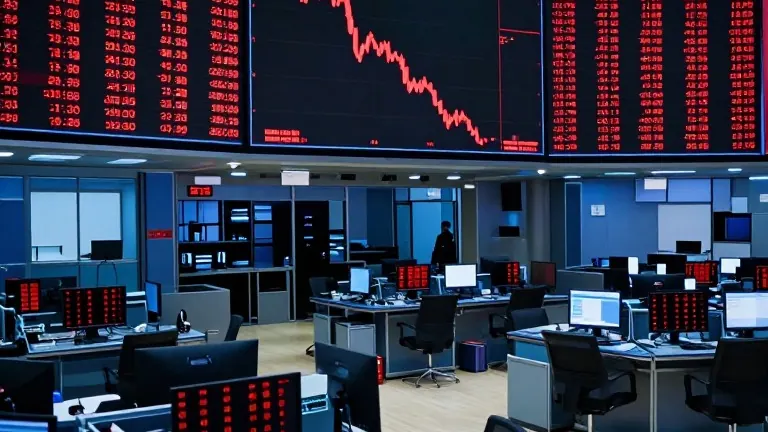
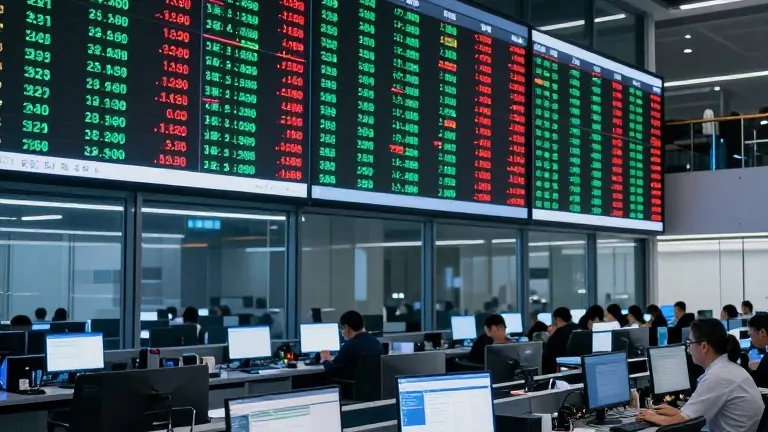
Chinese equity markets have erased $2.4 trillion in value since May, a decline driven by falling confidence in the country's artificial intelligence sector. The sell-off reflects growing concerns that domestic demand is too weak to support the high valuations attached to tech companies.
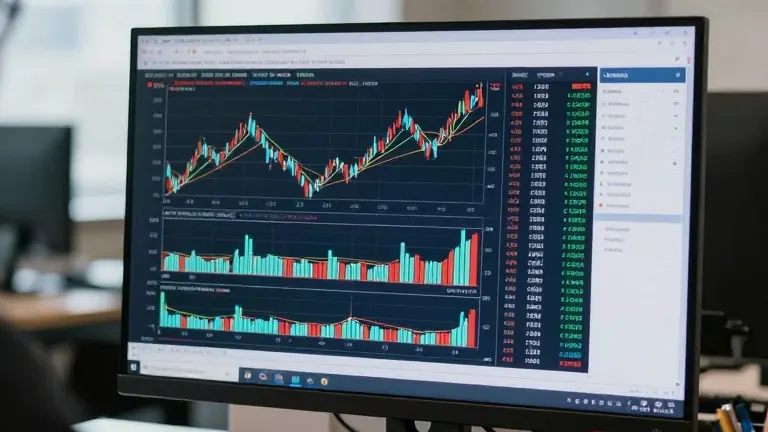
The STAR 50 Index, which tracks technology and innovation firms on the Shanghai Stock Exchange, has dropped 40 percent since June. Other major indexes lost approximately 20 percent over the same period. Bloomberg reports that the total market loss stands at $2.4 trillion. Goldman Sachs notes that AI-related stocks represent more than 40 percent of the total market value in China and Hong Kong, making the sector a primary driver of overall market performance.
The decline persists despite government efforts to support the industry. Beijing launched a 60 billion yuan state-backed AI investment fund that began funding domestic developers this month. However, consumer spending has remained low, leaving many tech companies struggling to generate profits. Dan Wang, the China director for Eurasia Group, stated that profit margins are below expectations and that US interest rates are rising while China's domestic demand remains weak.
External pressures from the United States have compounded the problem. Washington has banned Chinese humanoid robots citing national security risks and is considering restrictions on Chinese components used in data centers. China relies heavily on exports, so these limits force companies to sell products domestically where competition is stiff and consumer budgets are tight. Wang described a general anxiety among tech firms about whether the state-supported model can succeed against this backdrop.
The robotics sector, which Beijing views as key to solving demographic issues like an aging population, has been hit hard. Demand for robots comes mainly from government agencies and research institutions rather than households. Products remain too expensive and impractical for most families. Shares in Unitree, a leading Chinese robot manufacturer, have halved since the company began trading in August.
Policymakers face a difficult choice on stimulus. Recent regulations aimed at keeping investment domestic have not yet boosted market confidence. New rules restricting overseas investment take effect on December 1. Wang noted that while optimism remains in AI research and satellite sectors, the current environment is risky. Any major stimulus package would be viewed with caution by officials.
The fifth plenum of the Chinese Communist Party is gathering this week to prepare for the 21st Party Congress next year. The Congress is expected to confirm Xi Jinping for a fourth term. Leaders are hesitant to introduce risky economic measures before this politically sensitive period. Wang observed that any failed stimulus policy would hold the architect accountable, creating a strong incentive for caution.
The lack of large domestic IPOs contrasts with recent developments in the US. Anthropic, the developer of the Claude chatbot, filed paperwork on Monday for an initial public offering that could raise up to $100 billion. China has no comparable high-profile listings currently planned. This disparity highlights the differing trajectories of the two leading economies in the AI race.
Source: The Guardian