FAA doubles modernization request to $50 billion after four-hour flight suspension
Transportation officials say a misconfigured router caused the outage, and the agency is seeking more funds to finish the network upgrade.
By Connor Murphy ·
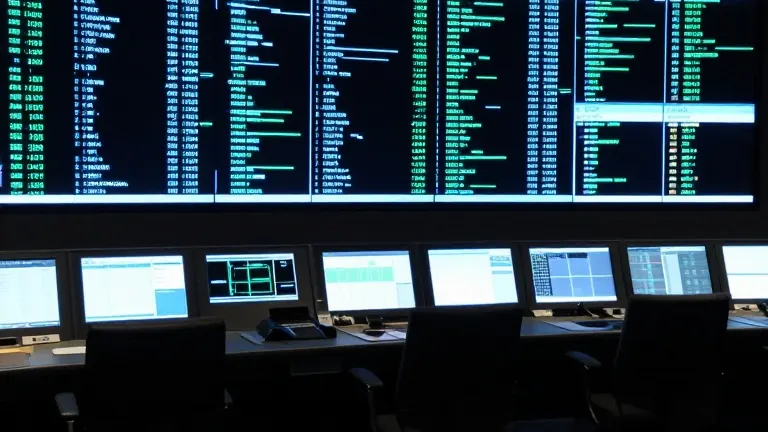
The national flight suspension on Friday lasted more than four hours, marking the longest outage in the United States since September 11, 2001.
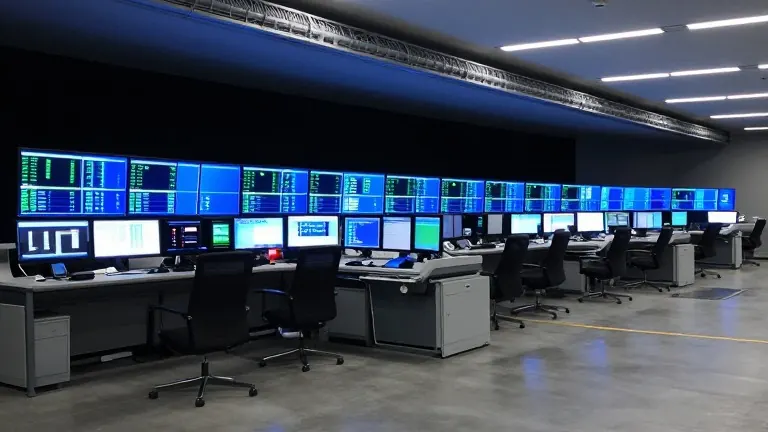
Transportation Secretary Sean Duffy stated on Wednesday that the disruption could have ended sooner if the contractor had identified the fault more quickly. The issue stemmed from a newly installed router at a key air traffic control facility. This equipment was part of a project to replace aging copper wiring with fiber optic lines in Arkansas.
Investigators are still determining why the Juniper router began sending thousands of connection attempts shortly after it came online. The device behaved differently from units installed in 68 previous modernization projects for the Federal Aviation Administration. The manufacturer said it believes the device functioned exactly as it was configured by the installer.
L3Harris, the company that performed the work, has not commented on the suspension since issuing a statement on Saturday pledging support for the FAA's investigation. The firm declined to provide further details on Wednesday. All new installations of these specific routers have been paused, and technicians have disabled the function linked to the Friday outage.
The situation recalls a 2009 incident where a similar technical error affected 820 flights. The Department of Transportation's Inspector General determined that a Harris technician, from a company that later merged to become L3Harris, had incorrectly configured a router during a fiber optic installation.
Matthew Hampton, who served as the deputy Inspector General for aviation at the time, noted that the FAA has long struggled with weak oversight of its contractors. He described a history of poor supervision in both system development and deployment. Jeff Guzzetti, an aviation safety expert and former Inspector General office employee, said inadequate contractor oversight was also a problem during the agency's previous NextGen modernization effort.
Guzzetti explained that the FAA typically handles unexpected challenges by shifting air traffic control responsibilities to nearby facilities or slowing down traffic. However, on Friday, the entire network was affected, including both primary and backup systems. He noted that when the whole system is down, the agency's usual ability to improvise is severely limited.
FAA Administrator Bryan Bedford accepted ultimate responsibility for the outage on Wednesday. He told reporters that he is the primary person accountable and asked the public to hold him responsible rather than the Secretary. Bedford said he was hired to get the job done and preferred to bear the blame.
The agency has nearly doubled its funding request to Congress to $50 billion to complete the modernization of the national air traffic control system. The FAA received $12.5 billion last year to begin the project. Bedford acknowledged that some lawmakers might be displeased with the increased request, especially since the agency has not yet spent all the previously approved funds.
Duffy explained that a large portion of the unspent money is tied to new radars and systems that are still under construction. Only about $10 billion of the requested $50 billion would go toward air traffic control technology. The remainder would fund other projects, including improvements to runways, airport towers, and air traffic control centers built in the 1960s. Key legislators said on Tuesday that Congress is unlikely to approve the full amount at this time.