Florida voters weigh $250,000 property tax exemption against service cuts
Amendment 3 seeks to raise the homestead tax exemption from $50,000 to $250,000, potentially reducing local government revenue by nearly $12 billion.
By Connor Murphy ·
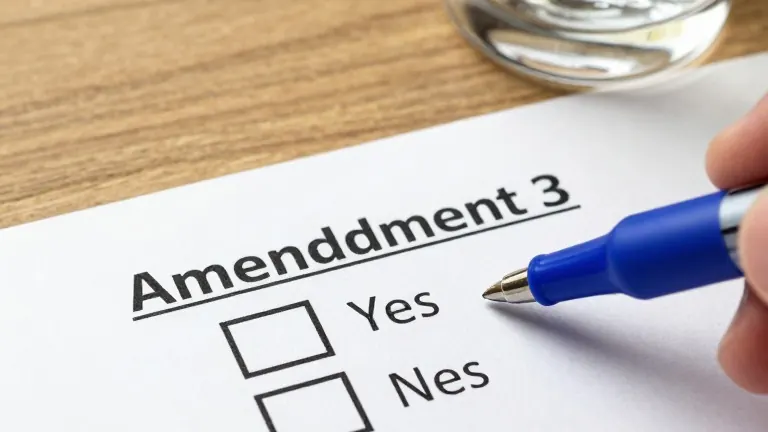
Nearly $12 billion in recurring revenue could vanish from local government budgets in Florida if voters approve Amendment 3 on Tuesday. The state Office of Economic and Demographic Research projects this loss, which would force municipalities to cut services or find new funding sources. The measure requires a 60% supermajority to pass.
The ballot measure proposes increasing the homestead property tax exemption from $50,000 to as much as $250,000 over the next two years. This change would apply to primary residences and could eliminate non-school homestead property taxes in some jurisdictions. Local governments currently rely heavily on property taxes, with statewide collections rising from roughly $32 billion in 2019 to almost $60 billion in the last fiscal year.
Supporters, including Governor Ron DeSantis and Florida Realtors, argue that property values have driven record revenue gains for local governments. Margy Grant, CEO of Florida Realtors, stated that homeowners have funded this increase and that the amendment allows residents to stay in their homes. Her organization spent $19.5 million on the 'Vote Yes on 3' campaign by the end of October. Grant noted that Florida families face higher costs for groceries, fuel, insurance, and utilities.
Critics warn that the tax cut will erode social safety nets and infrastructure. Mike Weinstein, Jacksonville’s chief administrative officer, said the city’s $2 billion budget relies on $1 billion from property taxes. He predicted cuts to mosquito control, road surfacing, libraries, parks, police, and fire services. Weinstein argued that the amendment was introduced quickly without addressing unintended consequences, noting that only a small segment of homeowners would benefit based on purchase dates.
In Jacksonville, the Florida Policy Institute estimates the city could lose up to $372 million over the next five years. Weinstein said the city might need to open a large complaints department to handle inquiries about deferred services. He added that renters, business owners, and many homeowners would not see direct financial benefits from the exemption.
Grassroots groups are working to mobilize voters. Steven Johnson, an organizer with Florida Rising, said residents ask who the affordability benefits are for. Volunteers for the group made nearly 1,500 phone calls on a recent evening. Maggie Fernandez, 68, a homeowner in Jacksonville, campaigned against the measure despite potentially benefiting from it. She said the amendment would hurt local services and people worse off than herself.
Rachel Dues, 54, a disabled veteran and notary, pushed her niece in a wheelchair to a polling place in Jacksonville. Dues, who relies on food pantries and rental assistance, believes the amendment is a bait and switch. She told voters that the measure might help some homeowners short-term but could harm long-term services like flood prevention and public transportation. Dues said she practices a pitch explaining that renters may absorb cost increases passed from landlords.
Sen. Rick Scott (R-Fla.) supported the measure on social media, claiming every county has waste to cut. He argued the amendment would force local governments to eliminate waste rather than essential services. Amendment 3 proponents called warnings about service cuts overblown. The vote determines whether Florida increases its property tax exemptions or maintains current revenue levels for local public services.
More Politics · Albuquerque news · Report a business · Got a Story?