Judge approves massive Roundup settlement
Bayer agreed to pay up to $7.25 billion to plaintiffs with non-Hodgkin lymphoma linked to glyphosate exposure.
By Paula Delgado ·
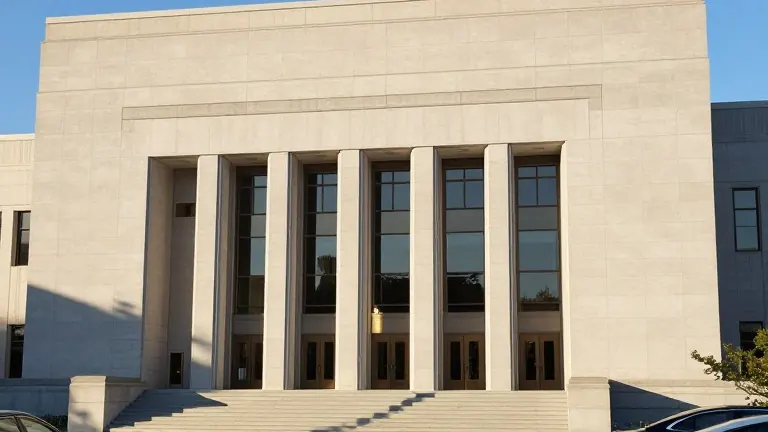
A federal judge in Missouri gave final approval on Friday to a nationwide settlement between Bayer and thousands of cancer victims. The agreement will cost the German agrochemical company up to $7.25 billion in coming years.
The settlement covers people who have been or will be diagnosed with non-Hodgkin lymphoma. These individuals claim the blood cancer is linked to glyphosate, the main ingredient in the weed-killer Roundup. Bayer agreed to pay between $10,000 and $165,000 to each claimant. The specific amount depends on factors including the age at diagnosis and the level of glyphosate exposure during work in agriculture or other occupations.
Bayer CEO Bill Anderson described the deal as a decisive milestone in a statement. He said the settlement will mitigate the risks of pending and future litigation. Presiding Judge Timothy Boyer called the agreement one of the largest in the history of mass tort personal-injury class action settlements. Christopher Seeger, the attorney representing the plaintiffs, stated that the final approval order delivers guaranteed compensation to victims who have waited more than a decade for justice.
This new deal adds to a previous settlement in which Bayer agreed to pay between $10 billion and $11 billion. That earlier agreement resolved more than 100,000 claims related to Roundup. The current legal dispute followed a U.S. Supreme Court ruling earlier this year that favored Bayer. The high court found the company could be shielded from state court lawsuits alleging it failed to warn consumers about cancer-causing effects.
Roundup remains the most widely used weed-killer in the world. The World Health Organization's cancer agency concluded more than a decade ago that glyphosate is probably carcinogenic to humans. Prominent environmental health scientists have echoed those concerns as recently as this year. Bayer has consistently denied that its product causes cancer.
The Environmental Protection Agency stated it did not identify risks of concern from glyphosate uses, including for cancer. However, the agency is currently reviewing evidence related to human health after pressure from advocates and scientists. The Trump administration has supported the herbicide-maker by siding with Bayer in the Supreme Court case and issuing an executive order to promote domestic production of glyphosate.
Bayer removed glyphosate from its U.S. products used in residential settings several years ago. The chemical is still in use in the agricultural industry. Concerns about glyphosate safety have been an animating issue for supporters of Health Secretary Robert F. Kennedy Jr and his Make America Healthy Again agenda.
More News · Albuquerque news · Report a business · Got a Story?