Lisbon and other Portuguese cities see large-scale housing protests
Protesters in more than 30 locations demand rent controls and affordable units amid a 61% rise in the price-to-income ratio.
By Paula Delgado ·
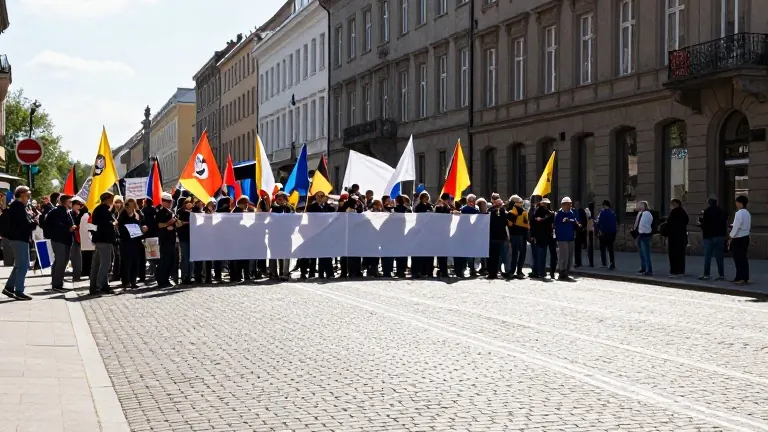
Protesters filled the streets of Lisbon and more than 30 other cities and towns across Portugal on Saturday. The demonstrations represented the largest turnout yet in a series of actions against rising housing costs. Participants marched under banners that read, “We won’t let them steal our right to housing.”
The scale of the protest followed weeks of previous demonstrations. Some activists had camped in central squares in Lisbon and Porto, the country's two largest cities. Riot police with dogs dispersed some of these earlier gatherings. Critics of the police response described the tactics as heavy-handed.
The movement drew inspiration from similar protests that began in Spain last month. These events occurred alongside widespread social unrest across Europe this autumn. In the streets, drums and music accompanied the crowds. The participants included a wide age range, from teenagers to retirees.
Susana Pacheco, a 35-year-old data analyst, joined the march in Lisbon. She works part-time as an astrologer to help pay her mortgage. Pacheco expressed concern about her younger sister's ability to afford housing. “I’m really worried about young people,” she said. “I don’t know how they’re going to be able to pay” for their own home. Ana Encarnação, 42, also participated. She described current conditions as intolerable, citing high living costs and the gap between wealth groups.
Statistics from Eurostat show that Portugal recorded the largest increase in the European Union for the home price-to-income ratio between 2015 and 2025. The increase was 61%, compared with 34% in the Netherlands. The National Statistics Institute reported that housing prices rose by almost 20% between the first quarter of last year and the first quarter of 2026. Rental prices increased by 68% since 2020, according to government data.
Foreign buyers and investment funds have contributed to price increases. Portugal's climate and coastline have attracted digital nomads and retirees. Tourism growth has also shifted many city center apartments to short-term rentals. The government has responded by lowering taxes on new construction, restricting short-term rentals, and promising to build 145,000 new homes. Officials acknowledge that these measures will not have immediate effects.
President António José Seguro convened the Council of State to discuss the protests earlier this month. He met with some of the protesters on Friday. The activists have requested ceilings on rent increases, stronger legal protections against eviction, and more affordable housing units.
More News · Albuquerque news · Report a business · Got a Story?