Odesa Opera House Keeps Performing Amidst Drone Alerts
Despite nightly missile threats, the historic theatre maintains a full schedule, canceling shows only if red alerts exceed ninety minutes.
By Scott Marshall ·
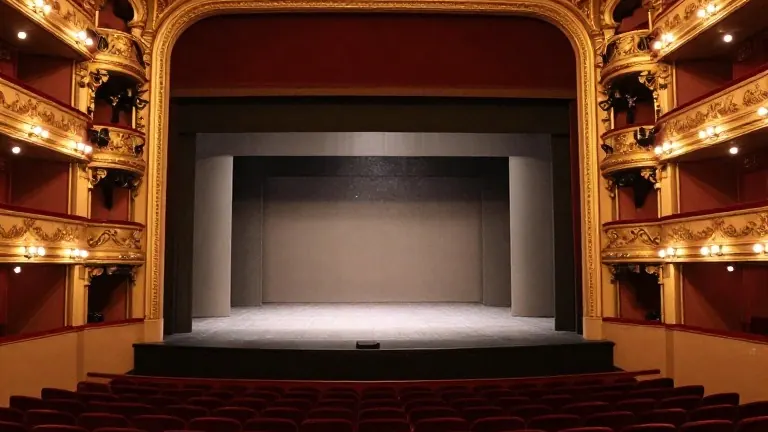
A red alert forces the Odesa Opera and Ballet Theatre to halt its performance, sending the audience and cast into separate bomb shelters. If the threat persists for more than ninety minutes, the show is canceled. Otherwise, performers have as little as five minutes to warm up and restart the ballet after the all-clear signal.
This routine has defined life at the theatre since 2022, when the institution suspended operations for an indefinite period following Russia's invasion. The original notice on the theatre's website, dated February 24, 2022, expressed uncertainty about the future. Today, that message is buried deep in the news feed. The theatre reopened four months after the initial invasion and has maintained continuous performances ever since.
The institution, which opened in 1810, now promotes its 217th season with a packed repertoire. The shift in programming reflects a deliberate move away from traditional Russian ballets like Swan Lake and The Nutcracker. Instead, the company focuses on works inspired by Ukrainian literature. Olesya Shliakhtych, a 31-year-old director and choreographer, leads this effort. She describes the current period as a renaissance for the company, noting that it is the first time in 150 years they can create work that is truly Ukrainian.
Shliakhtych’s ballet Snow in Florence premiered this autumn. The piece is based on a 1987 dramatic poem by Lina Kostenko. The production features scenery, music, and costumes created entirely by Ukrainian artists. Shliakhtych explains that her work is not directly about war. When love is the subject, the conflict appears only in subtle movements and colors, keeping the war less evident to the audience.
Performances continue under yellow alerts, which indicate a drone threat. Principal dancer Stanislav Skrynnik, 36, describes the physical and emotional toll of these interruptions. He notes that dancers must suddenly stop moving and return to reality, then quickly re-engage with the performance. Skrynnik previously worked part-time in a workshop making body armor for soldiers at the start of the war. He now mentors younger performers in the company.
Dozens of staff and performers have left the theatre since 2022. Some have moved to safer regions or abroad, while others have joined the military. At least one dancer, Rostyslav Yanchyshen, was killed in combat. Despite these losses, the theatre maintains strong attendance. Skrynnik reports that full houses of 1,500 people are common, particularly on weekends. He views the consistent audience as a sign that people still value art and performance during the conflict.
Shliakhtych states she never considered leaving wartime Ukraine. She argues that the difficulty of the current situation provides the necessary pain for artistic creation. Without that pain, she says, there is no theme from which to work. The theatre continues to stage classic European operas by composers such as Verdi, Puccini, and Bizet, alongside new Ukrainian works, maintaining its role as a cultural landmark in the Black Sea port city.