Peña Resigns and Is Impeached After Ueno Bank Collapse
Paraguay's lower house voted unanimously to impeach the president minutes after he stepped down, as regulators seized the digital lender that held 60% of the nation's adult customer base.
By Paula Delgado ·
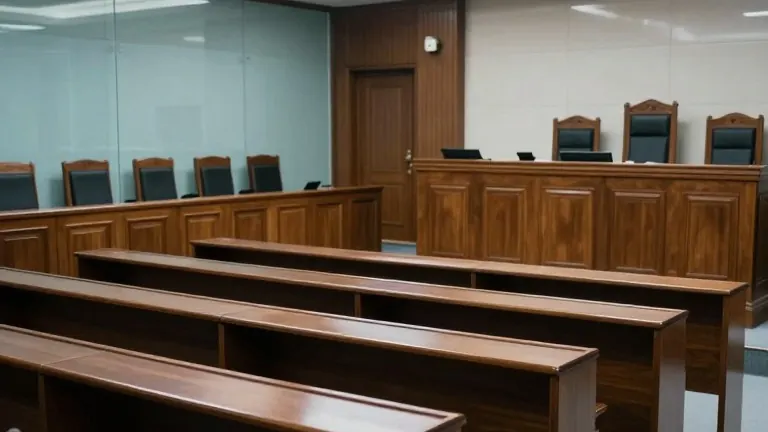
President Santiago Peña resigned from office on Thursday, and the Paraguayan lower house voted 78-0 to impeach him minutes later. The rapid sequence of events followed the seizure of Ueno Bank, a major digital lender tied to Peña's government that had frozen the savings of millions of citizens. The move ended Peña's tenure and cleared the path for Vice President Pedro Alliana to assume leadership without waiting for a full Senate trial, although opposition senators continue to push for a formal proceeding to strip Peña of his life-senator immunity.
The crisis stems from Ueno's rapid expansion and its close ties to the Colorado Party. The bank, a rebranded version of an older finance company, won its license in 2023 and grew to claim more than 60% of Paraguay's adults as customers. It operated over 70 locations and sponsored the national soccer team. By last month, Ueno held roughly $800 million in public deposits, including funds from the state pension system and hydroelectric operators. Despite these ties, central bank inspectors had flagged risky lending practices as early as June, noting that the bank extended large loans to companies linked to its owners without adequate collateral.
Regulators moved to seize Ueno on Tuesday after finding poorly documented loans and incorrect asset calculations. Once the bank's books were corrected, its capital fell to less than half the legal minimum required to absorb losses. The central bank announced the seizure, triggering a freeze on the bank's app, cards, and transfers. Customers found themselves locked out of their money, leading to long lines at branches and a rush to open accounts at other banks that crashed their mobile systems on Wednesday.
Peña defended the bank and the central bank's oversight as recently as last month, calling concerns a smear campaign. However, he expressed contrition in a video posted to X, stating he was stepping down to preserve democratic institutions and social peace. He apologized to the people for any failure but stopped short of accepting full responsibility for the turmoil. His mentor, former President Horacio Cartes, backed the impeachment, arguing the party would not side with the plundering of public and private funds.
The collapse has severely impacted Paraguay's economy. The guaraní fell nearly 4% against the U.S. dollar on Thursday, bringing weekly losses to nearly 7%. A law passed on Wednesday requires a state guarantee fund to repay stranded depositors within five business days, starting with small accounts up to $1,600. The fund insures up to $36,000 per customer, which officials say covers the full balances of 97% of clients. A judge ordered the jailing of six Ueno executives, including founder Miguel Vázquez and President Juan Manuel Gustale, on charges of breach of trust and attempted fraud.
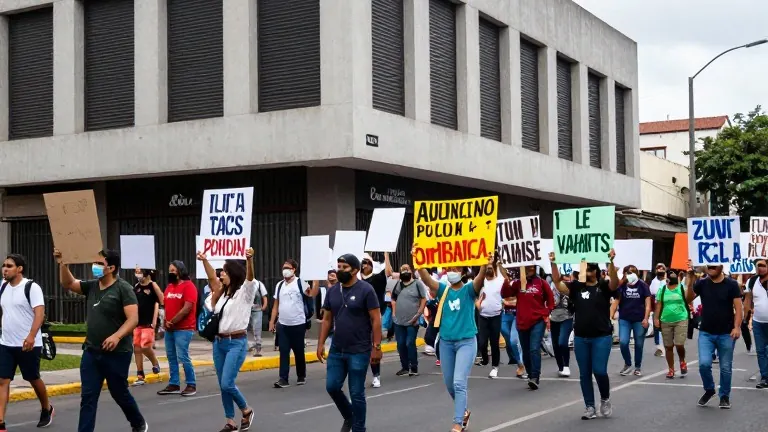
Protests continued in Asunción, with thousands marching to Congress on Wednesday and again on Thursday. Demonstrators demanded accountability and the return of their money, with some signs branding Peña the enemy of savers. Riot police used pepper spray and rubber bullets to manage the crowds. The Labor Ministry estimates the collapse has affected about 7,000 direct and indirect jobs. On Thursday, Ueno employees in their uniforms burned credit cards outside the Labor Ministry, demanding severance and unpaid wages. One protester, Adolfo Villalba, said the impeachment process must proceed so Peña loses his immunity.
The Ueno scandal has raised questions about the proximity of the Colorado Party to regulators and business elites. Transparency International ranks Paraguay second worst in South America for perceived corruption. At the national stadium, which once bore Ueno's name, the bank's logo has been removed. Across the capital, graffiti now calls politicians thieves, reflecting a public mood that views the bank's failure as a case study in official corruption rather than just a banking error.