SpaceX tests Starship as NASA faces launch gap
The new rocket aims for a full orbital return, but its rise threatens to leave the agency without a reliable way to send astronauts to the station.
By Connor Murphy ·
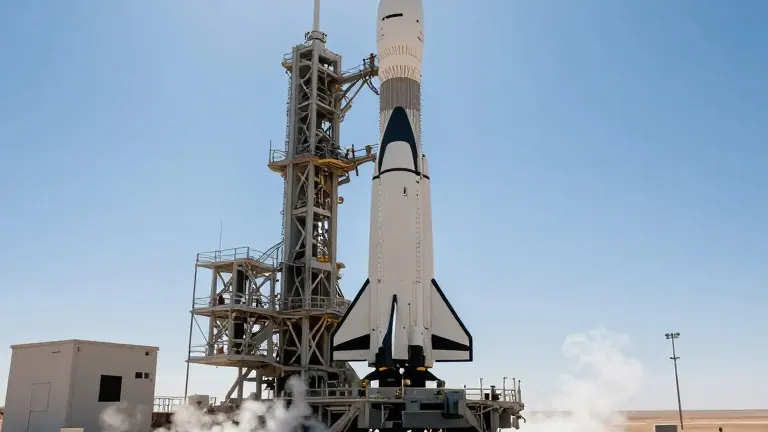
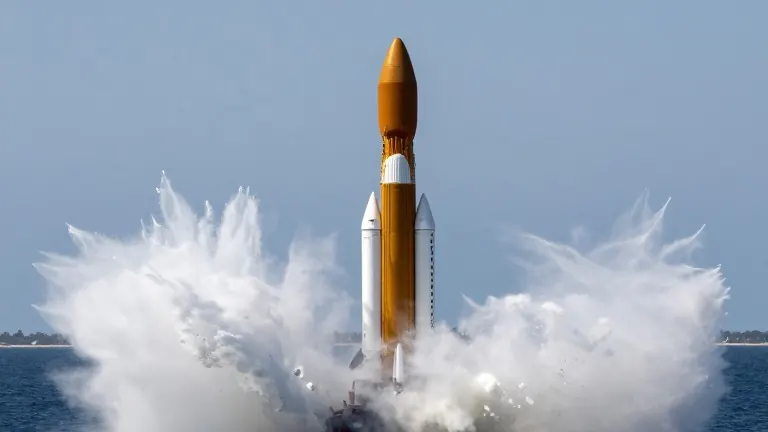
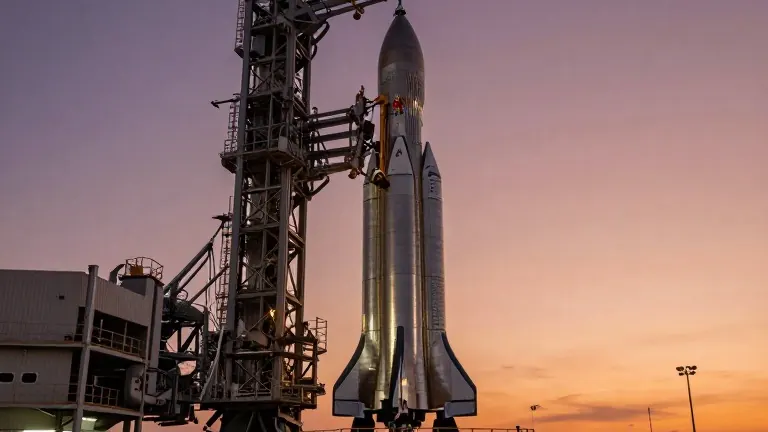
SpaceX will launch its Starship rocket from South Texas later today. The vehicle is scheduled to circle the Earth and land vertically at the same pad 22.5 hours later. The test represents the most ambitious trial yet for the massive rocket, which company founder Elon Musk intends to use for future Mars missions.
The success of Starship could alter the space agency's transportation plans. SpaceX has indicated it will stop flying the smaller Falcon 9 rocket to free up engineering resources. The Falcon 9 currently launches the Dragon capsule, which remains the only American spacecraft capable of carrying NASA astronauts to and from the International Space Station.
NASA contracted SpaceX for three additional station flights in September. Those missions would extend Dragon operations only through 2028. The space station is set to retire in 2030, creating a potential gap in crew transport capability.
Caleb Henry, director of research at Quilty Space, noted that Dragon became the de facto method for astronauts to reach orbit due to its reliability. He observed that building new space capsules is time-consuming and expensive. Because NASA is currently the primary customer, the market for human spaceflight remains small.
SpaceX has shifted its financial focus away from government contracts. The company generated approximately $2.1 billion from space launches through September this year. Its Starlink satellite service brought in $12.8 billion, while its AI business earned $10.9 billion. This revenue split reduces the economic incentive to maintain the Falcon 9 line.
Gwynne Shotwell, SpaceX president, compared the Falcon 9 to a minivan during a September summit in Los Angeles. She stated that the company wants to move to newer technology to support the long journey to Mars. Shotwell suggested that Boeing, which has a human capsule known as Starliner, should handle station flights.
The Starliner capsule faced significant issues in 2024 when a technical failure extended a crew's stay on the station from eight days to nine months. The astronauts returned home in March 2025 on a SpaceX vehicle. A crewed Starliner flight is planned for 2028, following a test flight scheduled for the winter.
Tim Farrar, president of TMF Associates, said SpaceX has grown beyond its launch business. He noted that NASA missions are profitable but small relative to the company's total revenue. Quilty Space estimates a shortage of 150 commercial launches by 2030. The U.S. Space Force said it secured Falcon 9 rides through 2028 and expects other suppliers to fill the remaining demand.
More Tech · Albuquerque news · Report a business · Got a Story?