Library cardholders up 11% as costs rise
Public systems across the U.S. report sharp increases in digital media use and in-person visits.
By Paula Delgado ·
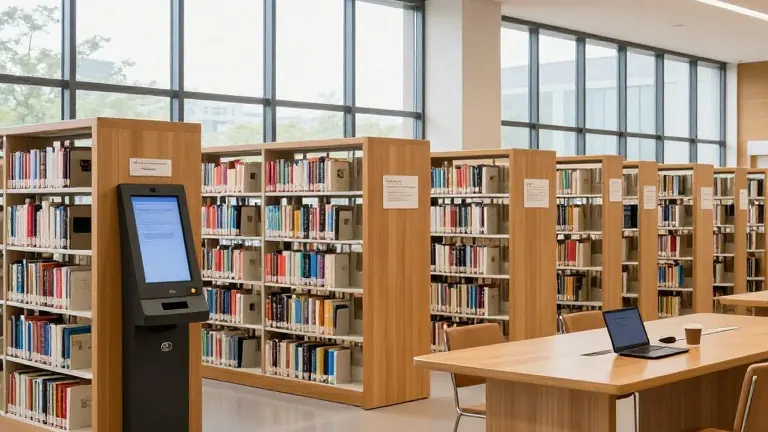
The Chicago Public Library recorded an 11 percent jump in in-person visits between January and July this year. Adult library card applications and Wi-Fi sessions also rose by more than 11 percent year-over-year during that same period. These figures are part of a wider trend in American public library systems that show higher usage as household budgets tighten.
Izzy Rivera, who lives in Topeka, Kansas, checks out at least one book every week. She saves for law school and does not buy new books. Rivera uses the Libby app for digital copies and visits local branches for physical books. She bought 15 books for about 20 dollars at a used book sale last month. She also uses Kanopy to watch movies and reads the New York Times at no cost.
"It is somewhere I can go where I am not expected to spend money," Rivera said. She noted that a coffee shop carries an expectation to buy, even if the customer does not want a drink. Rivera views the library as a neutral space for time and consumption without a mandatory purchase.
A Pew Research Center survey released in mid-October found that 44 percent of Americans struggled to afford at least one basic necessity in the past year. Basic necessities included medical care, rent, or mortgage payments. Seventy percent of adults said they cut back on extras, such as streaming service subscriptions. Jeremy Reeder, director of the Maricopa County Library District in Arizona, said people are replacing paid subscriptions with free library resources. He noted that friends often tell users to stop paying for Audible and use the library instead.
The Los Angeles Public Library saw a 37 percent increase in makerspace usage between the last two fiscal years. Digital circulation and library visits at that system were both up over 20 percent. The Maricopa County Library District, which moved its card application process online, recorded a 34 percent increase in Kanopy use and a 78 percent surge in Hoopla use over the past three years. OverDrive, the company that owns Kanopy, reported a 41 percent spike in users of the streaming service last year.
The Topeka and Shawnee County Public Library logged an 8.1 percent increase in digital media checkouts last year. Physical circulation at that system is down. Staff reported a surge in requests for tech support, including help with online job applications. Maria McCauley, president of the American Library Association, said there is heightened awareness of the wide range of free or low-cost offerings provided by libraries.
Federal funding for libraries remains under threat. The Trump administration recommended zeroing out funding for the Institute of Museum and Library Services in its April budget proposal for the current fiscal year. Last year, the administration attempted to cancel grants provided by the agency. Attorneys general from 21 states sued to block the move, and the administration reinstated the grants. McCauley said libraries must make a case for their funding every year, which is harder when resources are uncertain.
Libraries also serve as community resources for needs beyond books. A survey found that 56 percent of libraries offered food security support services last year. That same year, a Republican tax and spending bill signed by President Trump changed the Supplemental Nutrition Assistance Program, causing millions of Americans to lose food benefits. Many libraries now lend out a "library of things," which includes WiFi hotspots, induction cooktops, birding kits, and camping gear.
At the Free Library of Philadelphia’s Parkway Central Branch, a biweekly crafting meetup called "Sew What?!" provides sewing machines and materials at no cost. Chloe deBeus attended a recent event to work on her Halloween costume. She said attendees can try sewing without the steep upfront cost of buying a machine. Nathaniel Muns, a recent college graduate who works with an AI startup, used the branch’s music department. His own keyboard had broken, and he had not replaced it yet. He practiced the jazz standard "All the Things You Are" while noting the cost of living had risen "astronomically."
"Being able to come to the library really helps me kind of decompress at the end of the day," Muns said. He and Rivera represent the growing number of users who rely on public institutions for space, technology, and materials.
More News · Albuquerque news · Report a business · Got a Story?