Michigan Senate race features 87% Black voter support for El-Sayed despite pro-Israel ads
A nonprofit is running yard signs in Detroit-area cities to encourage Black voters to back Israel, a move coinciding with a late surge in polling for the Democratic candidate.
By Scott Marshall ·
The Detroit News reports that 87% of likely Black voters in Michigan intend to support Democratic Senate candidate Abdul El-Sayed. This figure represents a late-stage shift in a tight race where the candidate has faced criticism from both Jewish and Black communities regarding his stance on Israel.
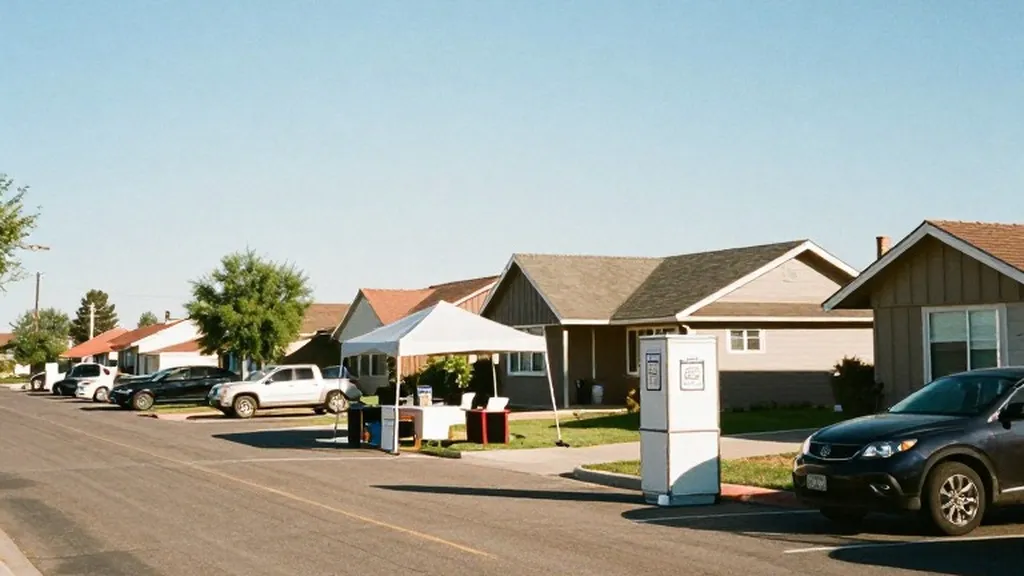
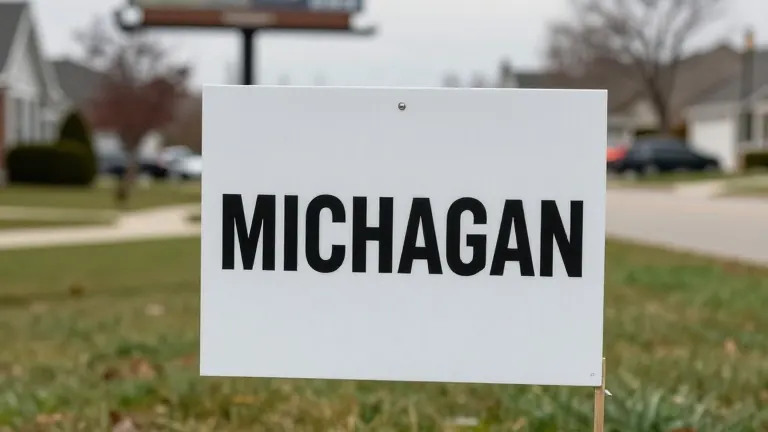
The Center for Urban Renewal and Education, a Washington-based nonprofit, has deployed yard signs in Detroit, Flint, and Ypsilanti. The signs read, “Blacks and Jews Standing Together.” Star Parker, the organization’s director, stated that the campaign aims to remind Black Christian voters of reasons to stand with Israel.
CURE has also purchased billboard space in the region. Two of the billboards display the phrases “Self Defense is Not Genocide” and “Many Black Evangelicals Agree that Israel Has a Right to Exist.” The materials do not name specific candidates, but they appear in the final days of the election.
El-Sayed has struggled to maintain support among Jewish voters due to his comments on Israel. He has also faced resistance from Black voters, many of whom supported his primary rival, US Rep. Haley Stevens. Stevens recently endorsed Republican Mike Rogers, a move that could influence the final turnout.
Parker told the Jewish Telegraphic Agency that she believes Stevens’ endorsement will help Rogers win the support of Black voters. She noted that support for Israel among this demographic needed a boost and that the endorsement may push Rogers past the finish line with that group.
Republican candidate Mike Rogers has targeted Black and Jewish voters with advertising campaigns. A new super PAC linked to Rogers has spent heavily on ads claiming El-Sayed has been disrespectful and dishonest with Black voters. The ads also reference tensions between local Black and Arab communities.
Sam Robinson, a Detroit reporter for a historic Black newspaper, observed that a scarcity mindset exists in some communities. He told the Columbia Journalism Review that some residents feel Arabs are taking resources from Black people. This sentiment mirrors the distrust seen between Jewish and Arab populations.
CURE held an interfaith roundtable in Detroit on October 22. Rabbi Aaron Bergman of Adat Shalom in Farmington Hills participated in the event alongside Black pastors. Bergman said the focus was on teaching about antisemitism, though he acknowledged that the topic is inherently political at this point in history.
El-Sayed has visited Black churches and held events with former President Barack Obama and Rep. Jim Clyburn to drive turnout. His opponent, Republican Mike Rogers, has also courted the same demographic. The race outcome will depend on whether the late polling shift holds as the final week concludes.
Pro-Palestinian sentiment has gained traction in Michigan’s Black communities this year. State Rep. Donavan McKinney, a democratic socialist, defeated a pro-Israel incumbent in a primary in August. During a campaign stop, a Black community organizer in Detroit confronted Stevens over her support for Israel.