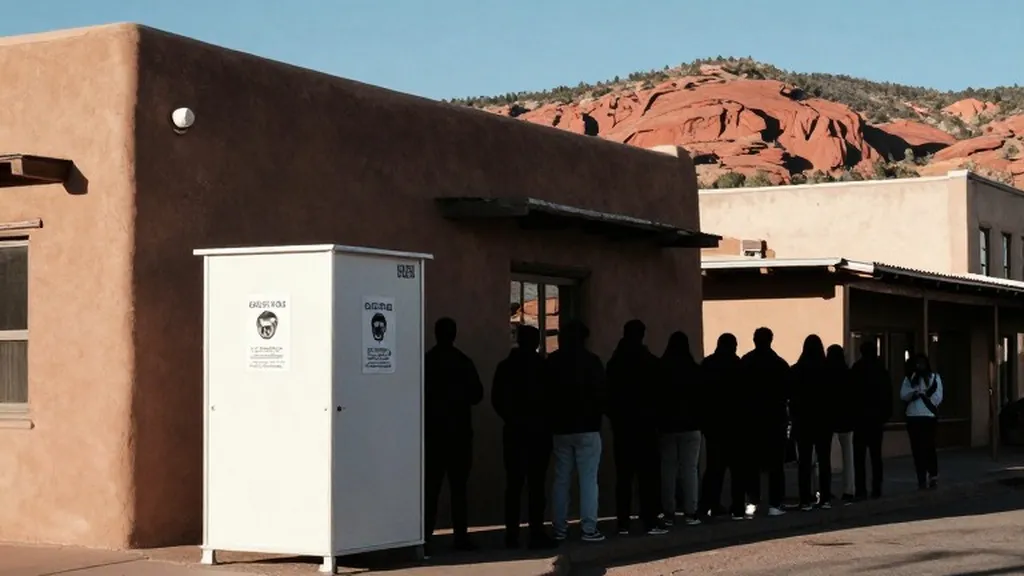
New Mexico Lawmakers Would Earn $68,000 if Voters Approve Pay Amendment
University of New Mexico political science professor Tim Krebs argues the move is about fairness and accessibility, not just a raise for politicians.
By Connor Murphy ·
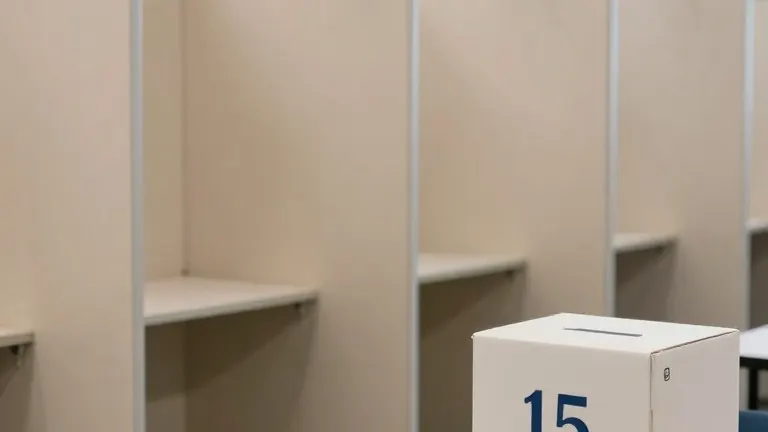
New Mexico lawmakers would receive an annual salary of $68,000 if voters approve Constitutional Amendment 4 at the election held tomorrow. That figure matches the current median household income for the state. The pay would begin in 2029 if the amendment passes.
New Mexico is the only state in the nation that does not pay its elected legislators a salary. Under the current system, members of the state house and senate serve without a paycheck. They do, however, receive a per diem when they are in session or traveling for official legislative work. They also gain access to retirement benefits after a certain period of service.
Tim Krebs, a political science professor at the University of New Mexico, spoke with KUNM about the arguments on both sides of the issue. He noted that opponents of the amendment often view legislative service as a volunteer position. They argue that paying legislators moves the state down the path of professionalizing the legislature.
Krebs explained the core concern of those against the pay. "By paying legislators a salary, it's moving down the road of professionalizing the legislature, and they make the argument that the more professionalized the legislature becomes, the less likely that legislators are going to effectively represent their constituents," Krebs said. He added that the state frequently faces fiscal pressures, and some believe essential services should not be cut to fund a legislative payroll.
On the other side, proponents argue that paying legislators is primarily a matter of fairness. Krebs pointed out that few other jobs, whether full-time or part-time, go uncompensated. He said the current lack of pay creates a major barrier to entry for many potential candidates.
"Right now, one of the main barriers to people serving in the legislature is that it's unpaid," Krebs said. "And so, you know, there's probably a lot of people out there with really good ideas and really strong backgrounds that forego legislative service because they're like, ‘I can't afford to take off, a month or two months from my job without compensation to serve in the legislature.’"
The current legislature is populated largely by retirees, independently wealthy individuals, or people with flexible jobs that allow them to serve without income. Krebs believes a salary would broaden the pool of people who consider running for office and those who eventually serve. He said this diversity would likely benefit the state.
Krebs also challenged the idea that the legislative session is a short, part-time commitment. He described the role as a full-time job where legislators are on call constantly, even when not in session. They handle constituent contacts and remain highly accessible to the public. This work happens throughout the year without compensation.
Some critics argue that per diems and generous retirement benefits already provide adequate financial support. Krebs acknowledged these points but maintained that pay is the key to making the legislature more accessible to a wider range of people. He suggested that resolving the pay issue first creates a foundation for other modernizations, such as potentially lengthening the legislative session.
Krebs said that if the amendment passes, it will be a historic shift for New Mexico. He noted that the state constitution was adopted in 1912, a time that differs significantly from today. Younger generations have a different attitude toward work and compensation. "I think we do run a risk of losing out on talented young people who say, ‘You know what? This is not okay. I'm not going to do this for free,’" Krebs said.
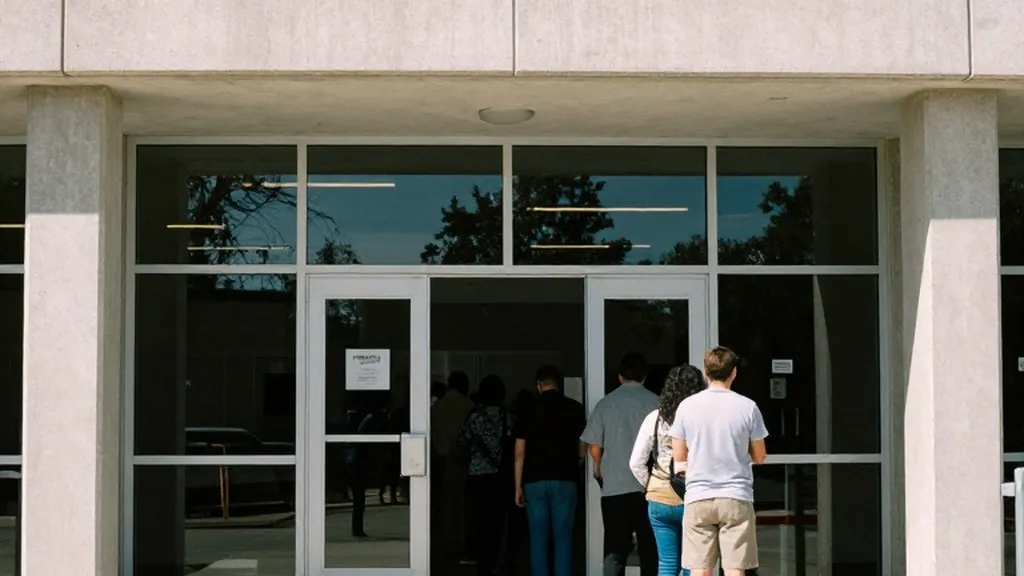
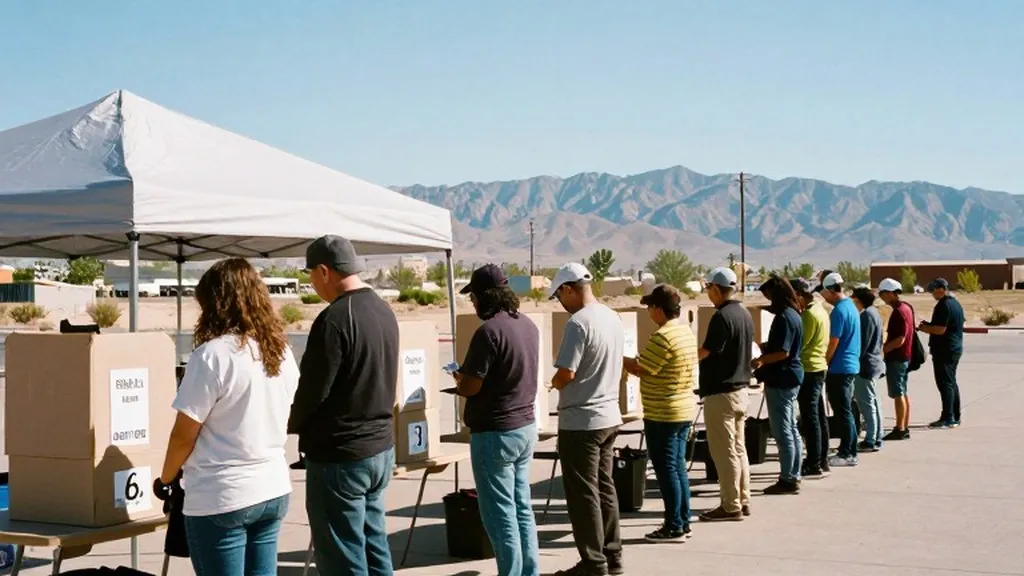
Voters in New Mexico will decide the fate of the amendment tomorrow. The outcome will determine whether the state joins the other 49 states in compensating its elected officials.
More Politics · Albuquerque news · Report a business · Got a Story?