State High Court Keeps Sunland Park Father's 18-Year Sentence
Rafael Arias argued his daughter's later denial of abuse warranted a new trial, but the court ruled the original jury verdict stands.
By Paula Delgado ·
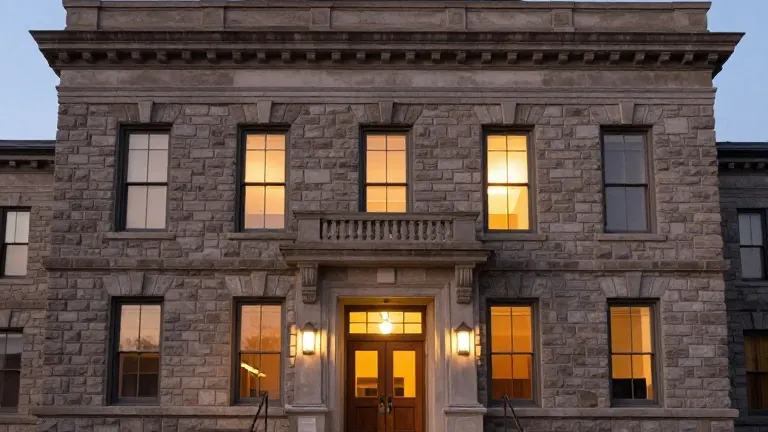
The New Mexico Supreme Court issued a unanimous decision on Friday, ruling that the 2022 conviction of Rafael Arias for sex crimes against his daughter will stand. Arias, 48, of Sunland Park, is currently serving an 18-year prison sentence. The court rejected his request for a new trial, which he sought after the victim recanted her testimony at a sentencing hearing.
A jury found Arias guilty on six counts of criminal sexual penetration and six counts of criminal sexual contact of a child under 13. The sentencing document shows his sentences on these counts run concurrently, meaning he serves the maximum term of 18 years minus time already served. During the original trial, the child testified to multiple instances of abuse by her father in 2013 and 2014, when she was in elementary school.
Arias argued the jury should have been allowed to reconsider the case after the child testified at sentencing that she had not been truthful during the trial. The Supreme Court disagreed, noting that prosecutors had presented jail phone calls as evidence of efforts to influence the child. A lower court in Las Cruces had previously determined the recantation was not credible. Justice Briana Zamora wrote the opinion, stating the district court correctly found the recantation was not free from suspicions of undue influence or pressure.
The court also addressed the testimony of a clinical social worker who served as an expert witness for the state. The appeals court had called this testimony "highly improper" in a 2025 opinion because the expert claimed there was only a two-to-ten percent chance a child's allegation was untrue. The Supreme Court agreed the testimony was improper but ruled the error did not require reversing the jury's verdict. The expert noted she had not met the specific victim or her family.
Arias also challenged the sufficiency of the evidence, pointing to inconsistencies in the victim's account of when the incidents occurred. The justices found that the testimony provided a satisfactory description of the general time period for the acts. They concluded that this description was sufficient to support the outcome of the trial, despite the specific date discrepancies cited by the defense.
More News · Albuquerque news · Report a business · Got a Story?