Two Screwworm Cases Confirmed in Doña Ana
One was found in a sheep on the NMSU campus in Las Cruces; the other in a cow at a separate location.
By Connor Murphy ·
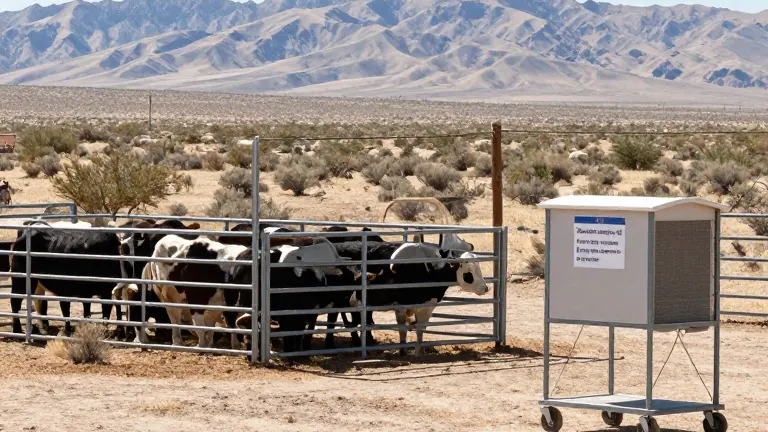
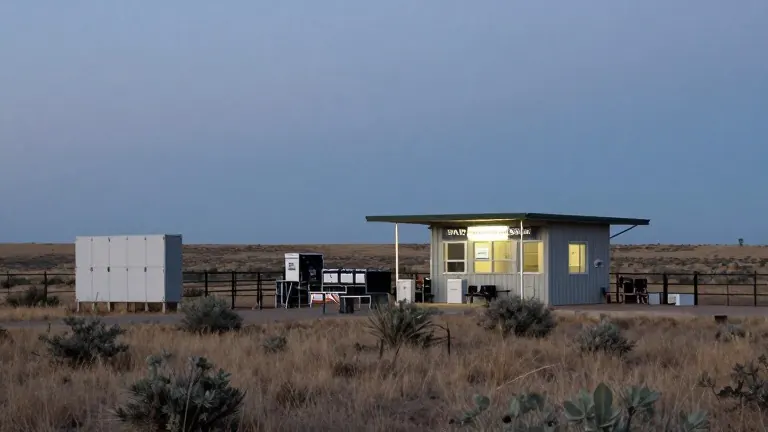
New Mexico health authorities confirmed two cattle screwworm cases in Doña Ana County: one in a sheep on the New Mexico State University campus in Las Cruces, and one in a cow at a location outside the university grounds. State and federal agencies expanded surveillance and set fly traps in affected areas, including the NMSU campus, to find additional cases and check whether the parasite has spread to other animals.
State veterinarian Dr. Samantha Holeck of the New Mexico Livestock Board said early detection matters for containing the screwworm and protecting animal health. "We urge the university community to identify warning signs and immediately report any suspicious wound or infestation," she said.
Screwworm flies lay eggs in wounds or openings in living tissue. When they hatch, the larvae feed on that tissue, which can cause severe injuries or kill the animal if treatment does not come in time. The parasite can infest livestock, wildlife, pets and, in rare cases, people.
Authorities marked an infested zone with a minimum radius of 12.4 miles around each affected location to contain spread. Residents of Las Cruces and surrounding areas can check updated maps at ScrewwormNM.org to see whether their property falls inside the designated perimeter.
The infested zone designation does not limit daily activities, but it imposes strict rules for moving animals. Animals must be inspected within five days before movement into or out of the zone, meet animal identification and sanitation requirements, and obtain documentation and permits from the New Mexico Livestock Board before any transfer is authorized.
Authorities ask people to watch for wounds that do not heal or grow worse, larvae or maggots in wounds or body cavities, foul-smelling discharge from a lesion, or signs of pain and irritation near a wound. If these signs appear, avoid handling or moving the animal and contact the New Mexico Livestock Board right away. Suspected infection in a person requires emergency medical care. Information about the quarantine perimeter is available at ScrewwormNM.org.
Source: KLUZ-TV · original report published
More News · Albuquerque news · Report a business · Got a Story?