Netanyahu faces Eisenkot in high-turnout Israeli election
Over 7 million Israelis voted Tuesday in a contest defined by the ongoing war and a race for parliamentary control.
By Scott Marshall ·
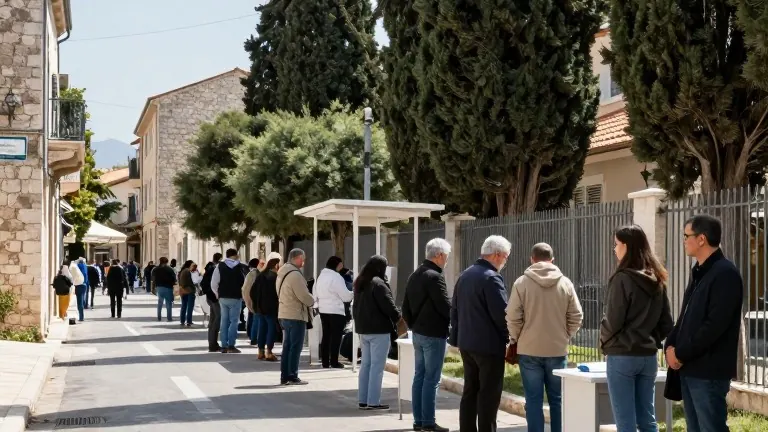
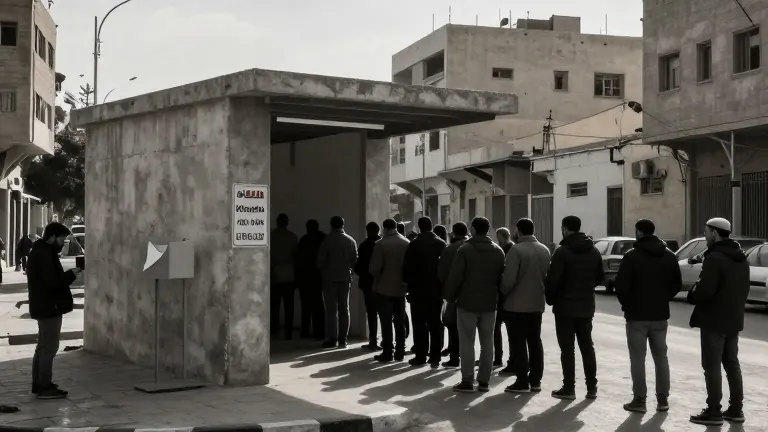
Israelis cast ballots in national elections on Tuesday, deciding the fate of Prime Minister Benjamin Netanyahu after three years of conflict. The vote determines whether Netanyahu, the country’s longest-serving premier, will remain in power or yield to his main rival, former military chief Gadi Eisenkot. The contest is marked by intense division over the war in Gaza and the future direction of the state.
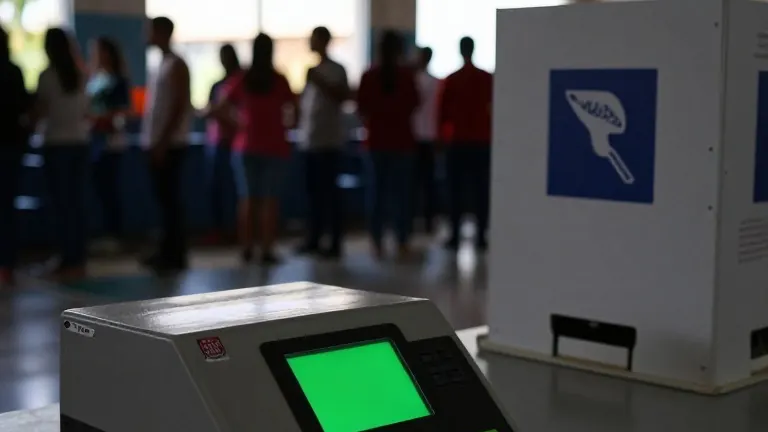
More than 7 million people were eligible to vote in this election. Tens of thousands of citizens traveling from overseas arrived to cast their ballots. By 2 p.m., nearly 45% of eligible voters had submitted their votes. The Central Elections Committee identified this as the highest voter turnout recorded since 1973. The high participation rate reflects the gravity with which Israelis view the outcome of the vote.
Netanyahu voted just after midday and described the day as a fateful moment. He told journalists that he believes Arab parties are receiving massive support and heading to the polls in unprecedented numbers. He did not provide specific evidence for this claim, a tactic he has used in past elections to energize his base. His main rival, Eisenkot, urged voters to ignore these scare tactics. Eisenkot began his day by visiting communities that were attacked on Oct. 7, 2023, the event that sparked the current war.
Eisenkot said that any responsible government would start the morning in those border communities. After casting his vote, he addressed a cheering crowd and called for voters to replace what he described as the worst government Israel has known. He acknowledged that victory was not guaranteed, noting that the day was perhaps the most critical since the founding of the state. The Yashar party, led by Eisenkot, filed an urgent complaint regarding nine incidents where ballot slips were missing, damaged, or turned over inside voting booths.
The race is closely contested, with opinion polls suggesting a tight margin between Netanyahu and Eisenkot. No single party in Israel’s parliamentary system has ever won an outright majority. Consequently, the outcome may depend on coalition building. Arab-led parties could become kingmakers if other parties agree to join forces with them. Mansour Abbas, head of the Islamist Ra’am party, stated that the Arab vote will change the government. He hoped that turnout in Arab communities would surpass 70%, noting that Arabs make up about 20% of the population.
Itamar Ben-Gvir, Israel’s far-right national security minister, warned that it would be Mansour Abbas’ government if Netanyahu and his allies did not win. Ben-Gvir is known for his hardline stance on Palestinian detainees. Meanwhile, the Association for Civil Rights in Israel filed a complaint with the election commission. The group warned that widespread delays could be suppressing the vote among Palestinian citizens, though anyone in line when polls close is permitted to vote.
Emotions ran high among some voters throughout the day. In Kiryat Shmona, a Netanyahu stronghold near the Lebanese border, a man kicked and tore down a poster of Eisenkot. In Tel Aviv, families of victims from the Oct. 7 attack and former hostages observed a moment of silence. Yona Adam, whose daughter Mapal Adam was killed on Oct. 7, urged the public to remember those whose voices are no more. Around 330,000 young Israelis are eligible to vote for the first time, many of whom face compulsory military service.
The election addresses the character of the state, balancing religious and ultranationalist forces against liberal and secular values. Netanyahu faces an international arrest warrant for alleged crimes against humanity in Gaza, an allegation he denies. He also ramped up threats against Iran ahead of the vote, warning Tehran of a devastating blow if it attacked Israel. Supporters view Netanyahu as a steady hand who has guided Israel through multiple wars while protecting its Jewish identity. Detractors see him as a polarizing leader who has dragged out the war for political reasons and weakened the independent judiciary.
Eisenkot is viewed by his supporters as a capable leader with strong security credentials. His backers note that his son and two nephews were killed in Gaza, a personal loss that resonates with many voters. Parties likely to support Eisenkot have vowed to improve Israel’s international standing. They also plan to conscript ultra-Orthodox men and bolster the independence of the judiciary. Dean Livne, the acting director-general of the elections committee, stated that reports of irregularities were much lower than in previous elections. The final outcome will determine whether the current coalition continues or a new government is formed.
Source: KOB · original report published